What Is a UR-GE Project and How Does It Create Value?
UR-GE projects are a strategic support model that increases export capacity and gives companies tangible competitive advantages through clustering, training, and consulting.
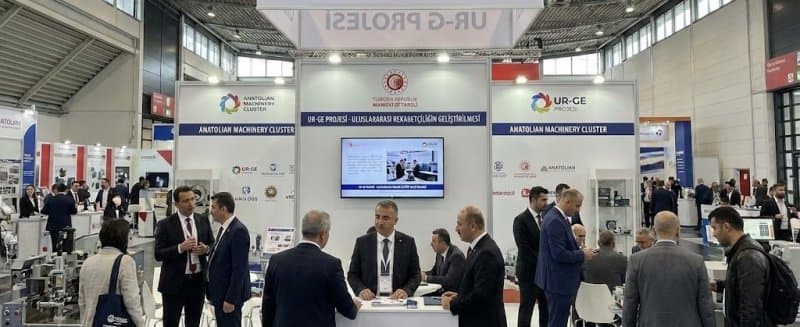

A UR-GE project is a government-supported development model that brings clustering, training, consulting, and marketing activities together under a shared framework to increase companies’ international competitiveness. This structure provides a coordinated development process that accelerates businesses’ export capacity. Implemented in Türkiye by the Ministry of Trade, the model helps SMEs, in particular, enter global markets with greater confidence and preparation.
The primary focus of the UR-GE approach is to pool resources and expertise that a single company could not access alone, thereby reducing costs, accelerating learning, and making internationalization more systematic. Projects generally involve companies operating in the same sectors and follow a sectoral clustering model. As clustering relationships strengthen, knowledge transfer increases, creating a development-oriented rather than competition-oriented network. In many countries, clustering models are known to increase productivity by more than 20%; UR-GE projects in Türkiye are a localized version of this global approach.
How Does the UR-GE Process Work?
The UR-GE process follows a four-stage structure extending from analysis to implementation. These stages enable companies both to strengthen their internal capabilities and to enter target markets more strategically. When the process is managed effectively, participating companies receive more than training and consulting; they also gain cost advantages through joint marketing activities. The collaborative impact of the framework can translate into measurable improvements in export performance.
Although the process is divided into preparation, analysis, development, and results stages, it operates cyclically in practice. Each development step may reveal a new need, and project teams update the strategy by addressing these needs immediately. Data obtained from market research plays a particularly critical role in clarifying companies’ product positioning.
Key Stages of the UR-GE Process
- Preparation and Organization: The project application file is prepared, the list of participating companies is finalized, and the implementing organization—generally an exporters’ association or chamber of commerce and industry—obtains official approval.
- Needs Analysis: Companies’ organizational structures, export experience, product diversity, and existing markets are examined. In most projects, analysis reports become comprehensive documents averaging 150–250 pages.
- Training and Consulting Program: Experts provide training in areas such as foreign trade, digitalization, brand development, quality systems, and sustainability. According to project data, more than 60% of companies show measurable improvement in process maturity at this stage.
- Overseas Marketing and Inward Buying Mission Activities: B2B meetings are held in target markets, sector-specific trade fairs are visited, and product strategies are revised based on the feedback received.
Factors That Improve Process Effectiveness
- Setting clear market objectives
- Grouping products or services with high potential
- Defining measurable performance metrics
- Maintaining regular communication among companies
Data-driven UR-GE projects deliver an average of 30% higher export conversion than projects managed in a fragmented manner. This difference is a strong example of the impact of strategic focus on project outcomes.
Why Is the Implementing Organization’s Role Critical in a UR-GE Project?
The implementing organization forms the backbone of the project because it is responsible for coordinating the entire operation. Strong coordination in a UR-GE project directly affects companies’ motivation to participate. In projects managed by implementing organizations with extensive sector experience, company participation rates in training and consulting can exceed 80%.
The implementing organization manages tender processes, selects consultants, prepares reports, administers the budget, and handles all correspondence with the Ministry. It also establishes mechanisms that enable companies to act collectively. The organization must therefore possess both strong sector knowledge and project management capabilities.
Primary Responsibilities of the Implementing Organization
- Conducting strategic planning
- Coordinating participating companies
- Managing the budget
- Monitoring reporting processes
- Supervising implementation steps
Essential Competencies for the Management Team
Project Leadership
The project leader must have strong technical and communication skills. The leader serves as a bridge that builds trust among participating companies.
Analytical Skills
Correctly interpreting the needs analysis, selecting appropriate consulting topics, and clarifying market objectives require analytical thinking.
Sector Experience
Given the clustering model, an in-depth understanding of the sector enables implementing organizations to identify companies’ specific needs more accurately.
When these competencies come together, project outcomes quickly become visible, and companies begin to view the project process as an investment rather than a cost item.
How Is a Needs Analysis Conducted in UR-GE Projects?
In UR-GE projects, a needs analysis is a comprehensive assessment that measures companies’ existing capabilities, processes, export infrastructure, and competitiveness. This analysis forms the basis for every subsequent step in the project. A well-conducted needs analysis can increase the efficiency of the training and consulting program by up to 40%.
Various data collection methods are used in needs analysis studies. Findings from site visits, management interviews, internal process reviews, and market research are combined. Company-specific development roadmaps are then prepared, forming the basis of the training and consulting schedules.
Key Areas Examined in the Needs Analysis
- Organizational Structure and Human Resources: Process responsibilities, foreign trade teams, and decision-making mechanisms are assessed.
- Production and Operational Capacity: Capacity utilization rates, lean manufacturing maturity, and quality systems are reviewed.
- Marketing and Export Capabilities: Target market knowledge, digital infrastructure, and brand positioning strategies are analyzed.
- Financial and Strategic Maturity: Budget management, cost matrices, and strategic planning practices are measured.
Benefits of Analysis Findings for Companies
A Clear Strategic Roadmap
Companies use quantitative data to identify the areas in which they need to improve.
More Effective Training and Consulting
Carefully selected topics address the participating companies’ actual needs.
Greater Focus in Marketing Activities
Target market selections are based on data, eliminating the approach of “opportunistic exporting.”
A well-structured needs analysis report produces a company-specific action plan containing 20–40 items. Because these plans enable company executives to progress systematically, the implementation period becomes more efficient.
The Impact of Training and Consulting in UR-GE Projects
The training and consulting process is the most powerful driver of transformation in UR-GE projects. This stage strengthens companies’ internal capabilities and enables sustainable growth. Research on international business development programs shows that structured training and consulting processes increase companies’ export efficiency by an average of 25%.
Each project is designed with tailored content based on the sector’s needs. Technical areas such as production, quality, and certification; management areas such as strategy, organization, and process management; and marketing areas such as branding, digital transformation, and foreign trade are addressed as an integrated whole.
Main Topics Covered in Training
- International marketing strategies
- Digitalization and technology adoption
- Quality management systems
- Supply chain optimization
- Export operations and logistics management
Benefits of the Consulting Process for Companies
Greater Organizational Maturity
The consulting process improves operational efficiency by enabling companies to standardize their processes.
Stronger Brand and Product Positioning
Effective positioning in international markets is one of the most critical factors determining competitive advantage.
Development of Digital Capabilities
Expert support is provided in areas such as e-commerce, CRM infrastructure, data analytics, and content strategy.
Consulting deliverables are generally integrated directly into companies’ processes and produce visible results within a short period. For this reason, the training and consulting phase is the component of UR-GE projects that receives the greatest investment.
Overseas Marketing and Inward Buying Mission Activities in UR-GE Projects
International marketing activities are the outward-facing component of UR-GE projects. Through these activities, companies establish direct contact with potential business partners in target countries. Properly organized B2B meetings accelerate the development of companies’ export relationships.
The success of marketing activities largely depends on market research, accurate segment selection, and a strong organizational structure. Selecting the right target country can increase the productivity of companies’ meetings by more than 50%.
Key Tools Used in Overseas Activities
- B2B Business Meetings: One-to-one meetings with importers, distributors, and potential partners in target countries.
- Trade Fair Participation: Sector-specific trade fairs provide high visibility for product promotion.
- Inward Buying Missions: Foreign companies are invited to Türkiye for on-site assessments.
Recommended Steps for an Effective Marketing Strategy
1. Market Prioritization
Countries with the highest potential are identified through data-driven selection.
2. Matching with the Right Companies
This is the most critical step in improving the quality of meetings.
3. Follow-Up Mechanism
Managing post-meeting correspondence systematically has a direct impact on the export conversion rate.
In UR-GE projects, the volume of proposals generated after overseas activities generally increases rapidly within the first 6 months. This volume is an important indicator for measuring the project’s total added value.
Key Tools and Methods Used in UR-GE Projects
UR-GE projects offer a hybrid management structure that combines analytical methods, sector-specific datasets, and clustering dynamics. These methods strengthen both companies’ internal capabilities and their foreign market strategies.
Brief Overview of UR-GE Tools
| Tool / Method | Purpose |
|---|---|
| Needs Analysis | Identify company-specific areas for development |
| Training Programs | Develop knowledge and skills |
| Consulting | Accelerate organizational transformation |
| Market Research | Select strategic markets |
| B2B Meetings | Build export relationships |
When all these tools work together, companies’ competitiveness is strengthened holistically. This structure is one of the most important features distinguishing UR-GE projects from other forms of government support.
How Is the Export Impact of UR-GE Projects Measured?
Export conversion is the most objective indicator of project performance. Impact analyses assess not only export growth but also process development, capacity growth, and market diversification.
In most projects, participating companies’ export volumes are observed to increase by an average of 18–35% within 1–3 years after the project. This rate may vary depending on the sector, product type, and target markets.
Metrics Used to Measure Export Impact
- Country diversification
- Product diversification
- Annual export volume
- Proposal-to-order conversion rate
- Number of B2B meetings
Qualitative Indicators of Development
- Digital infrastructure maturity
- Level of brand development
- Applicability of process standards
- Corporate governance practices
When these indicators are evaluated together, the quantitative and qualitative value created by UR-GE becomes visible.
Strategic Approaches That Increase Success in UR-GE Projects
Successful UR-GE projects are based on three core principles: strategic focus, disciplined implementation, and strong communication. When these three elements are combined effectively, companies achieve tangible progress during the project not only in exports but also in organizational transformation.