Trade Attachés and Support Mechanisms
Explore in depth how trade attachés operate, their role in export strategies, and the opportunities they offer companies such as MarcaWorld.
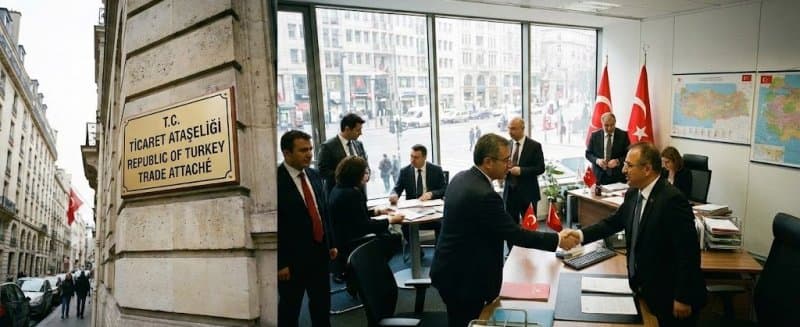

Trade attachés are strategic units that strengthen countries’ foreign trade relations, provide exporters with on-the-ground guidance, and accelerate market entry. For companies such as MarcaWorld that aim to grow internationally, the information, analysis, and networking opportunities offered by trade attachés create a powerful competitive advantage. Based in different countries, these units provide critical insights ranging from economic indicators and industry trends to local business culture and regulations, making export processes more predictable. Trade attachés are therefore indispensable for businesses seeking to position themselves effectively within global supply chains.
What Are Trade Attachés and How Do They Operate?
Trade attaché offices are staffed by specialists serving at countries’ diplomatic missions and provide companies with the commercial intelligence they need in the relevant markets. They work to develop trade relations, strengthen economic ties, and improve exporters’ effectiveness. Their duties include conducting market research, analyzing industry trends, engaging with the local business community, coordinating with government agencies, and referring technical barriers encountered by exporters to the appropriate authorities. For companies such as MarcaWorld that aim to develop their brand, this framework makes it easier to establish the right position in international markets.
Responsibilities of Trade Attachés
Trade attachés combine data collection and analytical capabilities with real-time field experience. They continuously monitor variables such as customs practices, import procedures, industry quotas, and the competitive landscape. This dynamic structure allows market entry strategies to be developed with less risk. For example, although consumer behavior in many countries is covered in annual trend reports, field data more accurately reflects actual conditions; trade attachés close this gap and provide companies with better guidance. According to 2023 data, trade specialists serving at diplomatic missions provided Turkish companies with more than 25 thousand instances of operational support, demonstrating the effectiveness of the attaché network.
The Impact of Building Connections with Local Networks
Trade attachés’ communication channels with local chambers of commerce, logistics companies, distribution networks, and government agencies create considerable value for exporters. Finding the right business partners can sometimes take months, but guidance from trade attachés can significantly shorten this period. Organizations such as MarcaWorld that are developing a brand growth strategy can use this network to gain a foothold in the market quickly while saving time and money. Attachés also play an active role in local trade fairs, B2B matchmaking events, and investment meetings, increasing companies’ visibility.
What Types of Support Do Trade Attachés Provide to Companies?
The support provided by trade attachés covers every stage of the export process. The most commonly used areas of support include market analysis, regulatory information, competitor mapping, industry forecasts, prospective customer lists, and the reporting of trade barriers. Put simply, trade attachés provide companies with strategic information and operational guidance from market entry through to after-sales processes. This support reduces risk, particularly for companies seeking to enter new markets.
Market Research and Competitive Analysis
Factors such as market size, consumer segments, pricing behavior, and competitive intensity are among the most critical sections of attaché reports. This information enables export potential to be calculated more accurately. For example, as of 2023, annual e-commerce volume in the Middle Eastern market grew by 17 percent; companies that identify such data early can gain an advantage by adapting their strategies quickly. This type of field data is highly valuable for the solutions MarcaWorld plans to offer in new markets.
Legal and Regulatory Guidance
Differences in regulations are among the greatest barriers to entering a country. Certification requirements, labeling rules, quota practices, licensing obligations, and tax liabilities vary by country. Trade attachés guide companies by explaining these processes in detail. Their recommendations are particularly important in industries subject to technical regulations. Procedures such as the European Union’s CE standard, the United States’ FDA processes, or the G-Mark requirements of Gulf countries can cause serious delays if they are not analyzed correctly.
Adapting to Local Business Culture
Business practices differ from one country to another. Some markets value rapid decision-making, while in other regions trust is built through long-term interaction. By providing information about cultural norms, trade attachés help companies avoid communication mistakes. According to field interviews conducted in many countries around the world, companies that communicate in line with the local business culture can increase their market-entry success rate by up to 40 percent. This effect has far-reaching implications for organizations such as MarcaWorld that seek to build a strong brand perception in foreign markets.
The Connection Between Trade Attachés and Government Support
Trade attachés act as a bridge between export support mechanisms and companies. Government support programs are designed to reduce exporters’ costs, strengthen their marketing capabilities, and improve their competitiveness. Companies that fail to access this support correctly may miss significant advantages. Attachés provide guidance both in identifying suitable types of support and in managing application processes correctly.
The Role of Different Types of Support
Export support covers a wide range of activities, from trademark registration and participation in international trade fairs to digital advertising and market research. According to data published by the Ministry of Trade, exporters benefiting from support programs have increased their overseas sales volume by an average of 18 percent. For companies such as MarcaWorld that seek to diversify their markets, these mechanisms strengthen financial sustainability.
Attaché Guidance During Support Processes
Attachés assess whether support programs are suitable for the target country, preventing companies from submitting inappropriate applications. They also provide guidance on details such as business plans, reporting, and document preparation. This increases the success rate of support applications. In some countries, even correspondence with local authorities can be conducted through attachés. This operational convenience directly improves companies’ time management.
The Role of Trade Attachés in Market Entry Strategies
Introducing a product or service in a new country involves more than planning supply and sales activities. Factors such as the political climate, economic instability, consumer behavior, import procedures, and competitive intensity require in-depth analysis. Trade attachés examine these factors within a holistic framework, laying the foundation for market entry strategies.
Strategic Positioning
Correct product positioning is essential for successful market entry. Understanding consumer segments, measuring price sensitivity, assessing the brand’s cultural fit, and identifying competitors’ strengths are all part of this process. For example, demand for technology products in the Asia-Pacific region is known to be growing by more than 12 percent annually. Such data directly influences product diversification strategies. Within this framework, MarcaWorld can develop customized solutions based on customer expectations.
Mapping Distribution Channels
Working with the right distributor, dealer, or e-commerce channel in a market is fundamental to sustainable growth. By providing up-to-date information on local distribution models, attachés help companies avoid choosing unsuitable business partners. Information on logistics costs, warehousing requirements, delivery times, and regional distribution density strengthens operational planning.
Risk Management
Political and economic fluctuations create inherent risks in new markets. Daily and weekly reports prepared by attachés help companies better understand the nature of these risks. This leads to more effective processes for inventory planning, financial risk diversification, and foreign exchange management. According to international trade data, companies that regularly use risk reporting experience 30 percent lower operational losses.
The Role of Trade Attachés in Digital Transformation
Digitalization has fundamentally changed the speed and accessibility of foreign trade processes. Market analyses, online business matchmaking tools, digital diplomacy platforms, and databases represent the modern face of attaché services. This creates a significant advantage for companies such as MarcaWorld that integrate technology into their business processes.
Databases and Digital Reporting
Databases created by attachés enable companies to identify key trends more quickly. These resources include consumer search volumes, digital competition indicators, and online pricing behavior. The table below shows the types of digital reports most frequently provided by trade attachés:
| Digital Report Type | Benefit Provided |
|---|---|
| Industry Trend Analysis | Early identification of market changes |
| Digital Competition Map | Analysis of competitor visibility |
| Online Consumer Behavior | Assessment of demand trends |
| Regulatory Updates | Rapid adaptation to sudden regulatory changes |
Data-Driven Decision-Making
In the digital ecosystem, data-driven decision-making directly accelerates growth. Highly accurate field data and digital analyses provided by attachés enable companies to act on verifiable evidence rather than estimates alone. This approach significantly reduces the margin for operational error.
The Impact on International Visibility and Brand Strength
Trade attachés are effective not only in business development but also in increasing brand visibility. By providing support in areas such as trade fair participation, trade delegations, investment meetings, and media relations, they strengthen perceptions of a company’s credibility. When MarcaWorld takes part in such events, it can increase brand awareness and build stronger business connections.
Positioning at Industry Events
At trade events held in many countries, attachés organize activities that make it easier to reach the right customer profiles. Analyses indicate that well-matched B2B meetings can increase the likelihood of signing an export contract by up to 60 percent. Companies participating in these events can both keep abreast of market developments and gain a better understanding of their competitors’ strategies.
Credibility and Government-Backed Reputation
Brands entering a market with guidance from trade attachés are perceived as more credible by local stakeholders. Companies acting on government-backed information are more successful in establishing long-term business relationships. This effect is particularly pronounced in highly competitive industries.
Aligning Trade Attachés with Corporate Strategy
A business can achieve global growth when field data and internal strategies work in alignment. Trade attachés connect external data with a company’s internal objectives. Insights of this kind make brand transformation, product diversification, pricing, marketing, and supply strategies more consistent.
Using Attaché Data in Corporate Planning
Analytical reports, periodic trends, and field notes should be used regularly in companies’ strategic planning processes. These datasets play a critical role in directing the right products to the right markets. Growth-oriented organizations such as MarcaWorld can gain greater agility and speed by placing attaché reports at the center of their strategic decision-making processes.
Clarifying the Implementation Steps
It is important to create actionable road maps based on information obtained from attachés. A typical process follows these steps:
- Identifying the target market
- Analyzing market size and competition
- Listing regulatory requirements
- Identifying suitable distributors or business partners
- Developing the marketing strategy
- Evaluating support programs
- Conducting market tests
- Optimizing the strategy based on feedback
These steps make sustainable success in international trade possible.
The International Potential of Trade Attachés and MarcaWorld
By combining its global growth strategy with the knowledge and resources offered by trade attachés, MarcaWorld can establish a strong position in international markets. Guidance from attachés makes it easier to communicate effectively in the right countries, analyze target markets, and increase brand awareness. This enables the company to take more confident steps in highly competitive industries.