Robust and Scalable Licensing Systems
Discover how scalable and flexible licensing systems that strengthen software security help you protect the sustainable value of your digital products.
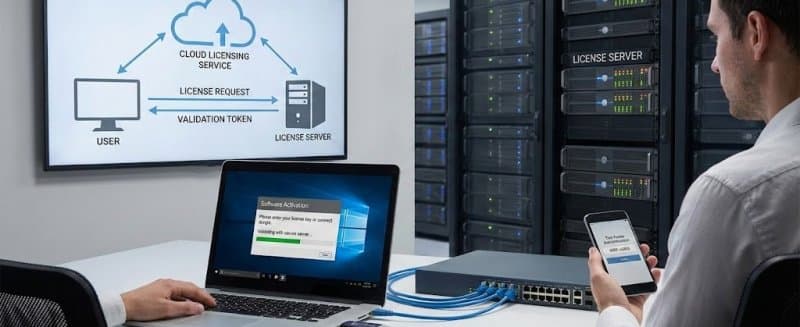

Licensing systems encompass the complete set of technical and operational infrastructure that governs the control, security, and sustainable revenue model of software and digital assets. For technology-driven businesses like MarcaWorld, proper licensing architecture ensures both product integrity and commercial growth. This framework—combining source verification, activation logic, user restrictions, and data encryption techniques—minimizes misuse risk while optimizing management processes.
Why Are Licensing Systems a Critical Technological Requirement?
Licensing systems are security and business continuity mechanisms that prevent unauthorized software use, protect developer rights, and create consistent revenue streams. Well-designed licensing logic strengthens a brand's technical infrastructure and enhances user experience.
The fundamental reason for licensing requirements is to protect software integrity, make legal rights sustainable, and keep user behavior manageable. From a brand perspective, MarcaWorld elevates security standards and operational efficiency by adopting modern licensing models in its software projects.
Core Objectives of License Control
- Preventing unauthorized use
- Establishing multi-device access policies
- Managing update and maintenance processes
- Flexible product access based on user segmentation
- Creating a sustainable revenue model
Licensing Types and Technical Differences
In the modern software landscape, licensing systems vary according to usage scenarios. Each model serves a specific user behavior and business objective.
What Are Licensing Types?
Licensing types are rule sets that define software usage rights. Each model offers distinct advantages in terms of security level, access scope, and manageability.
Time-Based Licensing
Time-based licensing is a common model where users gain access rights to a product during a specific time period. It's typically preferred in SaaS-based solutions and creates regular revenue streams. For example, 30-day trial periods or annual subscription structures put user behavior into a predictable pattern. MarcaWorld uses this model in its SaaS projects, managing access durations through dynamic control mechanisms.
Hardware-Bound Licensing
Licensing tied to system components such as hardware ID, MAC address, or CPU signature is a powerful solution for high-security software. In this model, the license works only on designated devices. This largely prevents unauthorized copying, cloning, or sharing attempts. Cryptographic verification methods form the foundation of this approach.
User-Based Licensing
User account-centered licensing provides access through email, account ID, or organization identifiers. It's preferred when multi-device support is needed. It integrates with role-based access control (RBAC) systems to provide robust control mechanisms in enterprise projects.
API Key-Based Licensing
In API-based projects, access control, developer authentication, and usage limitation are managed through API keys. Rate-based usage limits, quota management, and security filters are critical components of this model. Especially in high-integration-volume projects, MarcaWorld applies key rotation and IP whitelist-like controls to strengthen API security.
Offline Licensing
Offline licensing is essential for enterprise software operating in internet-restricted environments. It works with cryptographic signatures, hash verification, and token-based security layers. In this method, a data package is created, delivered to the user, and the software starts operating after validating this package.
What Are the Core Components of Modern Licensing Systems?
Modern licensing systems have a multi-layered architecture designed to provide security, flexibility, scalability, and management ease.
The core components of license management comprise verification mechanisms, user identity control, encryption algorithms, telemetry data, automated update processes, and log analysis systems. These elements optimize both user experience and operation management.
Verification Logic
License verification modules confirm the license's validity by checking at each software launch or at defined intervals. This process proceeds through the following steps:
- License key or token validation
- Date and duration compliance check
- Hardware or user information matching
- Cryptographic signature verification
- Server-side log recording
This structure reduces unauthorized access risk while enabling dynamic license management.
Cryptography and Security Layer
The security of licensing systems is directly proportional to the encryption algorithms used. Strong algorithms like RSA, AES, and SHA-256 secure license keys. In many cases, MarcaWorld implements a dual-directional security model by encrypting license data on both client and server sides.
Telemetry and Usage Analytics
The telemetry system contributes to product optimization by monitoring user behavior. For example:
- Most-used modules
- Session durations
- Hardware statistics
- Error reports
This data enables more accurate product roadmap planning. According to industry analysis conducted in 2023, 41% of software companies using telemetry reported noticeable increases in user retention.
Server Infrastructure and License Servers
License servers process activation requests, maintain log records, monitor license status, and manage revocation or renewal operations when needed. These systems having high availability (99%+ uptime) is critical for operational stability.
Below is a sample table explaining the relationship between license components:
| Component | Function | Use Case |
|---|---|---|
| License Key | Providing activation | Desktop and SaaS applications |
| API Token | Access control | Web services |
| Hardware ID | Device verification | Security-focused applications |
| Cryptographic Signature | Data integrity | Offline licensing |
| Telemetry | Usage analysis | Product optimization |
How Is a Licensing System Designed?
For a licensing architecture to succeed, security, performance, accessibility, and flexibility parameters must be evaluated together. The design process follows the steps below.
Needs Analysis and Persona Definition
First, the product's user base, usage purposes, and expected traffic volume must be accurately analyzed. While enterprise users want role-based management, individual users focus on quick activation. MarcaWorld conducts this analysis in depth in its projects, determining the licensing model based on user segmentation.
Creating Technical Architecture
Licensing infrastructure consists of three layers:
- Client-side security module
- Server-side verification service
- Management dashboard and analytics screens
These layers are interconnected through highly secure token communication.
Implementing Strong Encryption Protocols
RSA-2048 or higher key lengths are the baseline security standard. Additionally:
- Encrypting data packets with AES-256
- Hash verification with SHA-256
- Key rotation system
This combination minimizes the likelihood of license cracking.
Combining Offline and Online Modes
While some software can operate only online, others require offline verification. The best solution is a hybrid model. This way, users don't experience downtime when internet connection is unavailable; synchronization occurs when connection is restored.
Developing a Management Dashboard
The management dashboard provides centralized control of licenses. Through this dashboard:
- Licenses are created
- Licenses are revoked
- Licenses are renewed
- User behavior is analyzed
- Telemetry data is monitored
This structure enables automation of operational processes.
The Role of Licensing Systems in Brand Strategies
Licensing processes are not merely technical elements; they also sit at the heart of brand strategy. Particularly for MarcaWorld, which develops digital products, licensing architecture is directly tied to brand integrity and user trust.
Enhancing Brand Credibility
A consistently functioning licensing system is a sign of software quality and operational seriousness. Users prefer high-security infrastructure.
Making the Revenue Model Sustainable
Licensing structure supports revenue models such as subscriptions, per-user billing, module-based access, or premium feature unlocking. This variety provides resilience against economic fluctuations.
Facilitating Product Updates
Activation and version control systems ensure users stay on the latest software version. This is critical for both security and performance.
Challenges in Licensing Systems
When building licensing infrastructure, technical and operational challenges may arise. When managed with proper strategies, the system becomes more resilient.
Combating Piracy
To prevent piracy:
- Hardware verification
- Encryption layers
- Token renewal systems
- License server log analysis
such mechanisms are used together. According to 2022 data reports, companies implementing these measures reduced unauthorized use by up to 60%.
Load Balancing and Performance Management
During periods of heavy activation demand, load balancing on license servers becomes critical. Horizontally scalable architecture comes into play here. MarcaWorld uses microservice-based infrastructure in its projects to maintain operational continuity during high-traffic periods.
User Errors and Support Processes
License registration, device changes, or activation errors are areas requiring user support. For this reason, it's important that the licensing system has self-managing automated modules.
Advanced Techniques to Enhance License Security
Token Rotation
Renewing access keys at regular intervals significantly reduces the risk of key compromise.
Multi-Layered Verification
Dual-layer models where the license is verified simultaneously on both device and user basis are used in enterprise security requirements.
AI-Powered Anomaly Detection
AI-based log analysis detects unusual usage behavior to prevent license misuse at an early stage. For example, attempts to use the same license in different geographic locations within a short period trigger immediate alerts.
The Future of Licensing Systems
Licensing structures continue to evolve by integrating with next-generation systems like cloud technologies, artificial intelligence, IoT, and blockchain.
Blockchain-Supported Licensing
Decentralized verification model elevates license integrity to the highest level. It will be an important solution for the future, especially for high-value enterprise software.
Fast Verification with Edge Computing
Performing verification operations at points close to the client reduces latency and improves performance.
Dynamic License Management with Artificial Intelligence
Automatic license updates based on user behavior, personalized adjustments, and security predictions become possible.
The Most Efficient Licensing Approaches for Software Companies
The fundamental factors software companies should consider when choosing an optimal licensing model:
- Product type and usage model
- Target audience segmentation
- Security level
- Management cost
- Scalability goal
MarcaWorld analyzes these criteria in its projects to design the most suitable licensing structure for each software and implements all necessary technical processes in a secure, modern, and performance-focused manner.