Reaching Global Audiences with Multilingual Website Strategies
A comprehensive guide to effective multilingual website strategies that enhance brand visibility, strengthen user experience, and unlock global markets for international expansion.
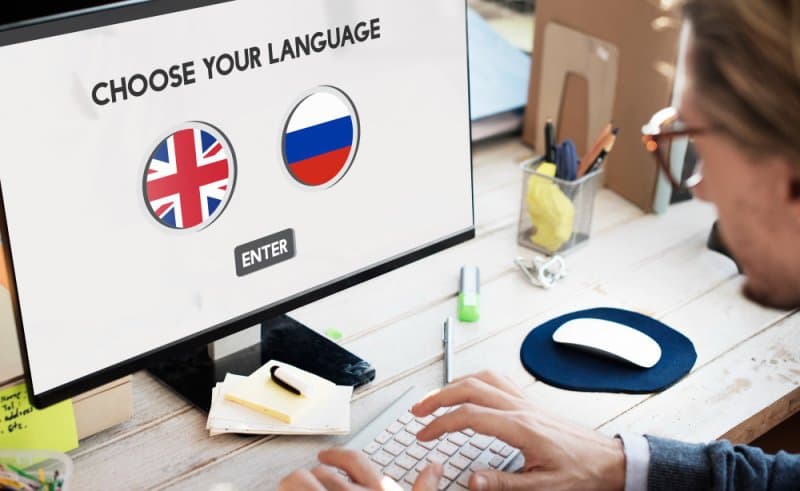

For brands seeking international expansion, a multilingual website strategy offers a critical advantage. User expectations, content comprehension, and digital behavior vary across different regions. Serving only in a single language limits both reach and trust levels. Business enterprises with broad vision, like marcaworld, build stronger brand authority by extending their digital presence worldwide through multilingual infrastructure.
Core Strategy for Reaching Global Audiences
Making a website multilingual means far more than translating text. Each language must be evaluated alongside its cultural context and user habits. Speaking to users in their own language builds trust and increases engagement. People form stronger connections with messages presented in their native language, which directly impacts the site's conversion rates. Strong brands like marcaworld rely on both accurate translation techniques and robust technical infrastructure.
How to Determine Language Selection Strategy
When selecting languages, consider the target audience's regions, market size, and industry demands. For example, a business targeting Europe might prioritize English, German, French, and Spanish. A brand seeking to serve Middle Eastern markets must give Arabic critical importance. Global-scale companies like marcaworld use market research to identify the most suitable language groups and shape content hierarchy accordingly.
The Importance of Multilingual Structure for SEO
Search engines prefer delivering content in the local language to users in specific regions. Therefore, a properly structured multilingual site significantly increases organic visibility. Keywords must be researched separately for each language, as user search habits vary. For instance, a phrase used in English searches may translate into entirely different keywords in German or Arabic. This requires SEO architecture to be customized for each language.
The Importance of URL Structure and Language Architecture
URL structure is one of the cornerstones of multilingual websites. There are three common approaches:
- Subdirectory method (site.com/en)
- Subdomain method (en.site.com)
- Country-code top-level domain (site.de)
Each approach has distinct advantages. Subdomains strengthen a single domain's authority, while subdomains are treated as separate sites and create more independent SEO impact. Country-code domains enhance local trust. marcaworld typically selects the most effective option based on the target market, providing users with both speed and accessibility.
Cultural Fit and Content Localization
Localization means adapting translated content to the target culture. It's not just language; date formats, units of measurement, color preferences, visual perception, and communication styles are all part of the process. For example, Japan prefers simplicity and straightforward language, while Latin America responds better to a warmer tone. marcaworld analyzes these cultural differences and adjusts content structure to match each culture's expectations.
Technical Infrastructure and Performance Optimization
Technical structure must be carefully planned for a multilingual website to perform well. Speed, mobile compatibility, security, and server response times must be balanced across all language versions. Language switching can use lightweight, optimized redirection instead of full page reloads. Browser language detection also automatically delivers the correct language experience to users.
Correct Use of Hreflang Tags
Hreflang tags are essential for search engines to correctly understand each language version. These tags tell search engines which page is intended for which language and country target. This prevents misdirection and ensures users reach the correct version. marcaworld clearly marks each language page, making its multilingual SEO compliance flawless.
Consistency in Multilingual Content Management
All language versions must maintain the same level of content. If information or explanations exist in one language but not others, user trust suffers. Additionally, all languages must be updated simultaneously. This requires a well-planned content management system. Professional teams like marcaworld establish regular review mechanisms to ensure articles, explanations, and visuals work consistently across all languages.
Maintaining Brand Consistency
Brand tone, style, and messaging must remain consistent regardless of language. While each language may have different narrative approaches, core values must remain unchanged. When users switch between English, German, or Arabic versions, they should feel the same brand personality. This reinforces brand recognition and builds trust. marcaworld works with content and design teams together to maintain this consistency.
Key Considerations in User Experience Design
Different languages have different text lengths. German contains longer words than many other languages, while English uses more compact structures. Arabic requires special layout considerations due to right-to-left writing direction. Navigation structure, button lengths, and form fields must be adjusted for each language's requirements. marcaworld therefore implements separate testing processes for each language during the design phase.
Special Requirements for Multilingual E-Commerce Sites
Multilingual structure becomes even more complex on e-commerce sites. All content must be properly translated, including product descriptions, category text, search filters, checkout steps, and even support messages. Users must have a secure shopping experience regardless of which language they select. Logistics, return policies, and shipping information must be similarly localized. marcaworld automates data management processes on these sites to ensure content is published accurately.
Table: Essential Components for Multilingual Websites
| Component | Description |
|---|---|
| Language Selection | A planned structure determined by target markets |
| Localization | Process of cultural, visual, and linguistic adaptation |
| Hreflang Implementation | Proper direction of search engines to correct versions |
| Technical Optimization | Speed, performance, and mobile compatibility |
| Brand Consistency | Maintaining the same identity across all languages |
The Impact of Content Quality on Search Engine Rankings
Search engines highlight unique, natural content that delivers value to users in each language. No matter how well translated, content that doesn't fully adapt to the target language cannot generate sufficient engagement. Therefore, a localization-focused approach rather than translation is essential. For long-term success, marcaworld prioritizes natural flow, contextually appropriate word choices, and strong storytelling in every language.
Multilingual Blog Management and Content Calendar
Blog content plays a crucial role in strengthening brand visibility. A multilingual blog requires a consistent content calendar. Some brands prefer creating content in their primary language and then translating to other languages, while others produce simultaneously across all languages. In either approach, content frequency, audience needs, and market dynamics determine the strategy. marcaworld uses analytics to predict which topics will generate more engagement in each language.
Making Multimedia Content Compatible Across Languages
Videos, images, and infographics are part of the localization process. Text within graphics must be changed, subtitle options must be added, and symbols used in graphics must align with cultural meanings. For example, certain colors can evoke different emotions in specific cultures. Therefore, multimedia elements should not remain static when languages change; they must be updated to match user perception.
User Psychology in Language Switching
When visitors switch languages while browsing, flow disruption must be avoided. Page structure, menu positions, visual layout, and call-to-action statements should remain consistent. Users shouldn't feel they've entered a different site. marcaworld maintains this fluidity, helping visitors stay longer and engage more with the site.
Security, Privacy, and Legal Compliance
Each country has different laws regarding data privacy and user rights. Regulations like GDPR for the European Union and CCPA for California have special significance in a multilingual site structure. Cookie policies and user consent must be clearly presented in each language. marcaworld is meticulous about this, applying legal compliance standards to every language version.
The Role of Automation in Technical Management
As multilingual structure grows, manual content management becomes increasingly difficult. Therefore, certain automations are preferred. For example, when a new page is created, automatic drafts can be generated for all language versions, or updated content can be automatically notified to each language manager. This structure saves time and reduces errors.
Analysis of User Interaction Data
User behavior varies across language versions. In some regions, longer content is read more frequently, while in others, visually rich layouts attract more attention. Analytics help understand these differences. marcaworld regularly interprets the data collected to determine which strategy will yield better results in each language.
Integration with Social Media
Social media accounts must also align with multilingual structure. When posts are tailored to audience preferences, traffic to the website increases. Different social media behaviors apply for each language. For example, Northern Europe prefers professional content, while South America responds better to colorful and emotional posts. marcaworld integrates this experience into a comprehensive digital strategy.
The Value of Building a Strong Digital Identity
A multilingual website creates a strong identity for brands seeking global recognition. Users connect more deeply with brands that communicate in their own language, fostering loyalty. Companies with international vision, like marcaworld, view multilingual structure not merely as a technical step but as a strategic move that shapes the brand's future.