ERP Systems for International Companies
ERP systems provide operational efficiency and global compliance for international companies. Discover the benefits of digital management and integration.
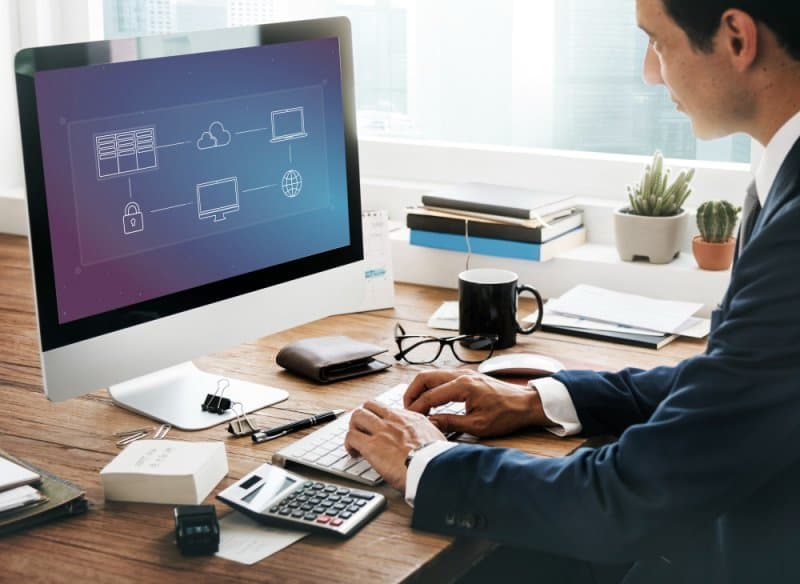

In an increasingly globalized world, businesses must work in sync not only locally but also across offices in different countries. This is where ERP (Enterprise Resource Planning) systems simplify management by bringing international operations together under a single digital platform. For companies operating abroad in particular, ERP is a strategic system that connects finance, human resources, production, sales, and procurement processes. In this article, Marca World explains in detail how ERP has become a driver of transformation for global businesses, which solutions stand out, and what companies should consider when choosing a system.
What Are ERP Systems and Why Are They Important for International Companies?
ERP stands for “Enterprise Resource Planning” and enables a business to manage all its resources through a single software platform. For international companies, however, ERP is more than an operational tool; it is the foundation of cross-border financial alignment and global efficiency.
The Digital Key to Global Compliance
The greatest challenge for a company with international operations is navigating differences in legislation, tax structures, currencies, and languages across countries. ERP systems standardize this complexity. For example, ERP software can recognize Germany’s VAT system while simultaneously supporting Türkiye’s TFRS standards.
Financial and Operational Integration
ERP systems consolidate all financial data and operational processes in a single database. This means a decision made by a manager in London can directly affect the production team in Istanbul. This integration accelerates the flow of information, particularly in multinational companies.
| Feature | Description |
|---|---|
| Multiple Languages and Currencies | Supports operations in different countries |
| Tax and Regulatory Compliance Module | Identifies local legal requirements |
| Financial Consolidation | Combines the financial data of all companies |
| Cloud-Based Access | Enables remote management |
Benefits of ERP Systems for International Companies
This section examines the strategic benefits ERP systems offer businesses operating internationally.
1. Multiple Countries, One Platform
ERP systems make it possible to manage branches in different countries through a single software platform. For example, a head office can monitor sales performance in Paris, inventory levels in Dubai, and financial transactions in Istanbul from the same screen.
2. Compliance with International Accounting Standards
For companies seeking to report under IFRS, US GAAP, or local regulations, ERP automatically incorporates the applicable financial standards. This allows each country’s legal requirements to be met while maintaining a consistent reporting framework.
3. Efficiency and Transparency
ERP enables a seamless flow of information across all departments. Every process, from sales and production to human resources and finance, can be monitored within a single system. This both shortens decision-making times and provides complete transparency during audits.
The Most Popular ERP Systems and Their Features
Many ERP solutions are available worldwide. However, the systems that stand out for international companies distinguish themselves through multilingual support, integration capabilities, and cloud compatibility.
SAP S/4HANA
SAP is one of the world’s most widely preferred ERP solutions. It delivers high efficiency in financial consolidation and production planning processes for large international companies.
Benefits
- IFRS-compliant reporting infrastructure
- Real-time data analysis
- Support for global regulations
- Advanced integration modules
Oracle NetSuite
Thanks to its cloud-based architecture, Oracle NetSuite is highly suitable for businesses with branches abroad. It is an especially dynamic solution for companies in the e-commerce, SaaS, and service sectors.
Benefits
- Multi-currency management
- Automated consolidation
- Global tax compliance
- Mobile access and API integrations
Microsoft Dynamics 365
With its flexible, modular structure, Microsoft Dynamics can be customized for businesses of any size. Its full integration with CRM (Customer Relationship Management) creates a strong bridge between sales and marketing teams and finance departments.
Benefits
- Office 365 integration
- Multi-country support
- Unification of finance, sales, and human resources
- AI-powered data analysis
| ERP System | Scale | Core Strength | Suitability |
|---|---|---|---|
| SAP S/4HANA | Large companies | Finance & Production | High |
| Oracle NetSuite | Global service sector | Cloud & Consolidation | Medium-Large |
| Microsoft Dynamics 365 | All sizes | Integration & Analytics | High |
The Role of Cloud Technology in ERP Systems
One of the greatest needs of international companies is the ability to access operational data from anywhere. Cloud-based ERP systems directly address this need.
Flexibility and Accessibility with Cloud ERP
Cloud ERP solutions provide an architecture in which all data is stored centrally and every user can connect to the system through internet access. This enables teams in different countries to access up-to-date data simultaneously.
Digital Integration from Marca World’s Perspective
Marca World helps companies digitally align their global operations throughout the ERP transformation process. Through cloud-based ERP systems, it brings companies’ finance, production, sales, and logistics processes together within a single ecosystem.
Compliance and Security in ERP Systems
Data security is one of the most critical concerns in global operations. ERP systems provide robust infrastructure not only for operational management but also for information security.
Data Security and Encryption
Modern ERP software protects data integrity using SSL and AES encryption technologies. It also provides regular backups, multi-factor authentication, and role-based access control.
Compliance Certifications
Systems such as SAP, Oracle, and Microsoft hold ISO 27001, GDPR, and SOC 2 Type II certifications. These certifications demonstrate full compliance with global data security standards.
What International Companies Should Consider When Choosing an ERP System
Choosing an ERP system is not merely a software decision; it is a strategic one.
Key Criteria
- The size and industry profile of the business
- The legal and tax requirements of each country
- The number of users and departmental structure
- Integration requirements (CRM, e-commerce, human resources, etc.)
- Preference for cloud or on-premise deployment
The Right ERP Strategy with Marca World
Marca World develops digital strategies that support businesses in growing globally. ERP systems form the backbone of this strategy. By selecting the right system, companies can both reduce operational costs and become more agile in international markets.
The Foundation of Digital Transformation: The Future of ERP
ERP systems are no longer merely data collection tools; they are evolving into decision-support systems equipped with artificial intelligence and analytics capabilities. The ERP platforms of the future will use predictive analytics to shape businesses’ strategic direction.
Digital Intelligence for Global Competition
ERP systems represent the digital intelligence of companies competing in the global market. Data-driven decision-making, financial transparency, and operational integration are among the greatest benefits these systems provide.
Digital Integration with Marca World
Marca World strengthens businesses’ digital infrastructure globally by providing consulting, implementation, and integration services for international ERP projects. ERP is not merely software; it is a strategic gateway to the future.