Company Formation for Health Tourism
Discover the essential building blocks for health tourism, from company formation to operations management, through a comprehensive roadmap encompassing strategic planning and expertise.
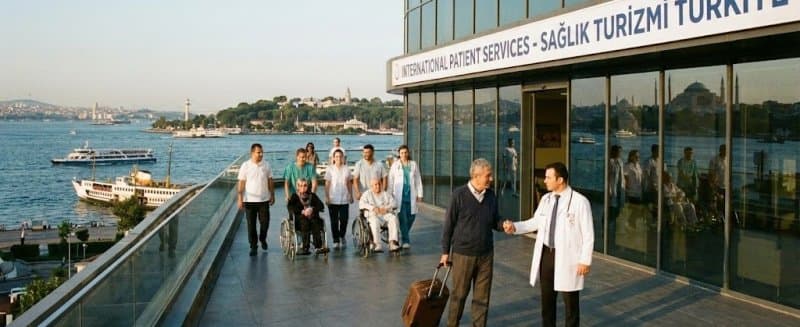

Establishing a company for health tourism creates the strongest organizational foundation for managing international patient flows, aligning the quality of medical services with corporate standards, and securing a competitive position in the global market. This structure provides operational reliability while enabling medical services to be delivered in compliance with international regulations. Sustainable growth is achieved by integrating multidisciplinary workforce management with digital patient acquisition strategies.
How Do You Establish a Company for Health Tourism?
A health tourism company can be established by completing the registration procedures required under the applicable legislation and creating an operational infrastructure that supports international patient management. Choosing the legal entity type, obtaining sector-specific permits, preparing data security procedures, and entering into corporate agreements with partner healthcare institutions are critical steps in this process.
In practice, companies are structured at the formation stage to manage the patient journey from end to end. This model integrates initial contact, digital consultation, medical assessment, appointment scheduling, travel arrangements, and post-treatment follow-up. Companies operating in this field in Türkiye must obtain a Health Tourism Authorization Certificate, comply with accreditation requirements for international promotional activities, and employ multilingual professional teams for their communications. Recent research indicates that international patient demand is growing by an average of %18 annually, requiring new market entrants to prepare for high-volume operations.
Key Stages of the Formation Process
- Choosing the company type: LTD or A.Ş. structures are selected according to the scale of operations.
- Selecting the activity code: Registration is completed under a NACE code appropriate for health tourism.
- Preparing for the authorization certificate: A physical office, human resources structure, patient record procedures, and digital security policies are established.
- International agreements: An integrated network must be established with hospitals, clinics, airlines, and accommodation providers.
- Digital clinical management: CRM, AI-powered patient triage systems, and omnichannel communication modules are implemented.
Components of the Operational Infrastructure
Health tourism companies are not merely intermediaries. In modern practice, operations encompass clinical quality metrics, procedural risk management, multidisciplinary case review meetings, and analysis of international patient satisfaction data. %72 of the companies achieving the highest conversion rates in the global healthcare market report enhancing their digital patient acquisition channels with AI-based data processing systems.
Designing the Management Team
A company's success rate depends on medical decision-makers and operational managers working in harmony. This structure usually consists of:
- Medical director
- International patient coordinator
- Digital marketing specialist
- Operations manager
- Travel and accommodation unit manager
- Data security officer
Each department is managed through processes designed to support patient safety, quality standards, and corporate sustainability.
What Are the Advantages of Establishing a Health Tourism Company?
A company model designed for health tourism increases international patients' confidence and ensures that services are delivered according to professional standards. Its greatest advantage is that it creates a strong collaborative ecosystem with hospitals and specialist physicians, making treatment processes more predictable.
A corporate structure also enables companies to monitor quality management systems electronically, optimize their service model by analyzing patient satisfaction scores, and work in an integrated manner with international insurance providers. In recent years, the number of medical travelers worldwide has approached 30 million, making professional corporate structures essential.
Key Strategic Advantages
Brand Credibility
Corporate structures strengthen trust, the most decisive factor in global patient flows. Transparent treatment planning requires documented process management.
Operational Efficiency
A well-designed company model can reduce treatment time by an average of %25. This can be achieved through proper planning, flight scheduling, integration of clinical appointments, and accommodation optimization.
Compliance with International Standards
Integrating accreditation requirements into company processes is an important step for both patient safety and expansion into international markets.
Sustainable Revenue Model
A diversified service portfolio can encompass a broad range of offerings, including check-up packages, surgical procedures, rehabilitation programs, and wellness tourism.
Sample Data Points on the Advantages
- %64 of international patients opt for treatments organized through a company.
- Satisfaction rates reach up to %92 among companies providing guidance and coordination services.
- The conversion rate of companies offering multilingual support is 2.7 times higher than that of companies operating in a single language.
These figures show that a professional health tourism company plays a key role in increasing both market share and service quality.
Essential Departments in a Health Tourism Company
Each department manages a specific stage of the international patient journey and works in coordination with the others within a total quality management framework. Organizational cohesion ensures that every step, from the patient's initial contact through post-treatment follow-up, remains under control.
A sample structure is presented below:
| Department | Role |
|---|---|
| Medical Coordination | Reviewing the patient's medical records, referring the patient to a physician, and creating a treatment plan |
| Operations Management | Organizing transportation, accommodation, and on-site logistics |
| Patient Experience | Providing multilingual support and managing communication and satisfaction |
| Digital Strategy | Managing web, CRM, advertising, content, and data analysis processes |
| Legal and Compliance | Monitoring legislation, managing contracts, and ensuring data security |
| Strategic Partnerships | Entering into agreements with clinics, hospitals, and travel partners |
This structure ensures a safe and seamless experience for international patients.
Medical Process Management
Medical record triage, case analysis, assessment of risk factors, and selection of appropriate treatment methods are handled by professional teams. Approximately %30 of treatment candidates are referred for a different procedure after their submitted medical documents are reviewed. This demonstrates that specialist assessment is critical to reducing the margin of error.
Digital Marketing Infrastructure
Analysis of user behavior in target countries, content optimization, social media advertising, and multilingual web infrastructure are essential for health tourism companies. International market research indicates that %78 of patients choose their treatment provider online.
A robust digital ecosystem should therefore include:
- Multilingual website
- Data-driven CRM system
- AI-powered chatbot and rapid-response mechanisms
- Video consultation modules
- Expert content infrastructure to build search engine authority
Legal and Ethical Compliance
The protection of personal health data, informed consent procedures, contract management, and compliance with international healthcare regulations are among the most sensitive areas for companies. Conversion rates have been observed to decline by as much as %40 at companies that experience a data breach.
Why Is Digital Transformation Critical for a Health Tourism Company?
Digital infrastructure reduces patient acquisition costs and expands global reach. Rapid-response systems, data analytics, and intelligent automation are core tools that determine a company's competitiveness. Digital transformation reduces delays in the patient journey and accelerates treatment planning by improving integration with clinical processes.
Advanced platforms can reduce the average case assessment time for medical coordination teams from 3 hours to 45 minutes. This improvement increases the scalability of operational capacity.
Components of Digital Capability
Omnichannel Communication
WhatsApp, email, live support, social media, and video conferencing tools should be brought together under a single CRM platform.
AI-Powered Analysis
Data structures that identify patient behavior patterns improve targeting accuracy. In a highly competitive environment, automation delivers cost advantages, speed, and personalized communication.
International SEO
Factors that strengthen search engine authority include:
- Properly structured data markup
- Accurate contextual use of medical terminology
- Multilingual content strategy
- Country-specific SERP analysis
These elements serve as the point at which international patients seeking treatment first make contact with the company.
The Importance of Strategic Partnerships for a Health Tourism Company
Strategic partnerships optimize treatment processes in terms of cost and time. Agreements with hospitals, specialist physicians, travel providers, transfer companies, and accommodation facilities create a holistic patient experience. According to the data, the operational error rate is %12 among companies with strong partner networks, compared with %37 among those with weak partner networks.
Partnership Models
Clinic-Based Model
Services are delivered through clinics specializing in specific medical fields.
Hospital-Based Model
Long-term agreements are established with hospital chains offering extensive medical capacity.
Service Supply Chain
An integrated model in which transfers, hotels, guidance, and concierge services are coordinated from a single center.
Each model is designed around the company's growth objectives.
Financial Planning for Health Tourism Companies
Financial sustainability depends on patient volume, operating costs, the digital advertising budget, and the scale of partner agreements. A well-structured financial plan balances operational fluctuations and lays the foundation for the company's long-term growth.
According to economic indicators, health tourism is one of the most stable sectors generating foreign-currency revenue. Global spending on medical travel is expected to increase by %15 annually through 2028.
Financial Management Principles
- Diversifying revenue streams
- Using data to optimize marketing costs
- Maintaining the balance between fixed and variable costs
- Investing in operational efficiency
- Conducting profitability analyses of partner agreements
This structure both strengthens the company's risk management and supports corporate growth.
The Role of Patient Experience in Health Tourism Companies
Patient experience is the most decisive factor in companies' global success. Effective communication, cultural sensitivity, post-treatment support, and transparent medical information directly affect international patient satisfaction scores.
Data shows that %58 of satisfied patients recommend the company to people they know. This significantly reduces marketing costs.
Factors That Enhance the Patient Experience
Personalized Approach
Because every patient has a different medical history, set of expectations, and travel plan, the process is personalized.
Cross-Cultural Communication
Teams that are sensitive to linguistic and cultural differences significantly increase conversion rates.
Post-Treatment Follow-Up
The process is supported by online check-ups, physician consultations, and periodic follow-ups.
These factors reinforce international credibility.