Correct Class Selection and Strategy for Trademark Registration in Germany
The process of selecting the correct class and developing a registration strategy for trademarks in Germany is one of the fundamental cornerstones that ensures a brand's legal protection in one of Europe's strongest economies.
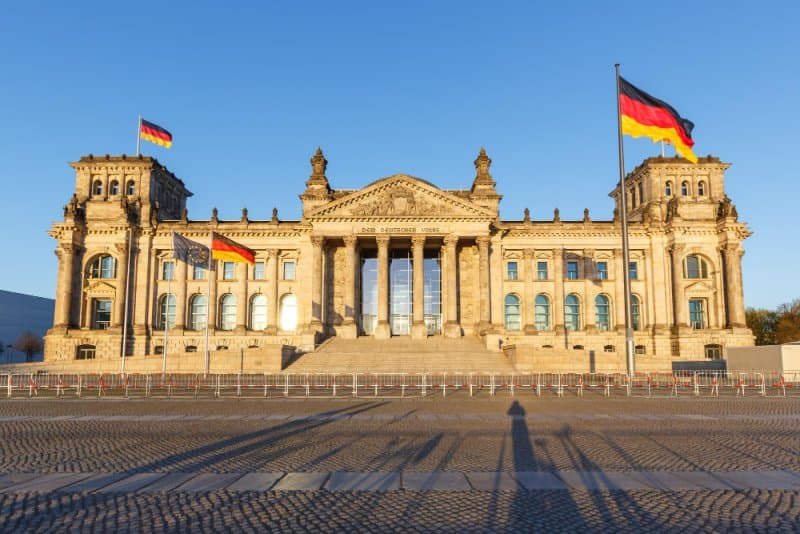

Selecting the correct class and developing a registration strategy for trademarks in Germany is one of the fundamental cornerstones that ensures a brand's legal protection in one of Europe's strongest economies. Trademark registration in Germany is viewed not only as a means to protect products or services, but as a strategic tool to strengthen a business's long-term commercial position. The high level of competition in the German market and consumer expectations grounded in professional standards make comprehensive analysis mandatory during the registration phase. For this reason, correct class selection and alignment of the registration strategy with future business plans directly determine the strength of a brand's protection.
Fundamental Foundations of Trademark Registration in Germany
The fundamental foundations of trademark registration in Germany consist of legal, commercial, and operational requirements. The German Patent and Trade Mark Office (DPMA) has a structure known for high examination standards, and applications are evaluated in detail with regard to the distinctiveness of the mark, the likelihood of confusion, and the field of use. This approach clearly demonstrates that trademark registration is not merely a recording of a name or logo; the scope, class structure, and registration strategy must be in harmony.
The fundamental reason class selection is critical is that a mark is protected only in the classes for which application is made. This means that incorrectly selected classes can leave a brand entirely unprotected in certain products or services. Research shows that a significant portion of trademark disputes in Germany stem from insufficient class scope. For this reason, each brand must account not only for current areas of activity during the registration process, but also for expansion plans.
The Role of the Nice Classification in German Trademark Registration
The Nice Classification is the fundamental reference system for trademark registration in Germany and is used, as it is worldwide, to categorize products and services in Germany. Since this classification determines in which areas a mark will obtain protection, it occupies the center of strategy. Incorrect class selection can expose a brand to legal threats it may encounter in the future.
The most common mistake businesses make in applying the Nice Classification is filing based only on current areas of activity. Because brands in the German market have high growth potential over time, class scope should be thought through broadly. Making a broad class selection increases protection flexibility and ensures the brand occupies a strong position in the competitive conditions it may face in the future.
In German trademark registration applications, class descriptions must be clear, consistent, and properly suited for registration. Since the DPMA does not accept vague or general language, descriptions must contain technical accuracy. For example, if an application concerns software, the type of software, its purpose, and the platforms on which it is offered must be clearly specified.
How to Develop a Brand Strategy in Germany
Developing an effective brand strategy in the German market requires planning that goes far beyond simply submitting an application. Strategy is developed through a holistic evaluation of brand positioning, field of use, target audience profile, competitive conditions, and future expansion possibilities. In the German trademark registration process, this strategic framework becomes the fundamental determinant of a brand's long-term commercial performance.
The first stage of strategy is clearly defining which products and services the mark will be used for. This definition forms the starting point of strategic planning since it determines the accuracy of class selection. The high expectations of German market consumers regarding quality, reliability, and standardization require that brand strategy be developed at a professional level.
The second stage is competitive analysis. In certain sectors in Germany, mark density is much higher, and applications in these sectors face higher rejection rates. Therefore, examining similar marks, conducting phonetic and visual analyses, and evaluating potential confusion risks are integral parts of the strategy.
The final stage is long-term protection planning. Class selection is more accurate when considering not only which areas a mark will grow in today, but also in the future. For example, if a brand that currently sells only physical products plans to offer software-based services in coming years, the registration process should establish a class structure that encompasses these areas as well.
The Strategic Impact of Trademark Research in Germany
In the German trademark registration process, trademark research is one of the most critical factors in reducing rejection risk. The DPMA takes the risk of confusion with similar marks very seriously and conducts its examination in detail from this perspective. Therefore, before filing an application, a comprehensive search must be conducted through both the German trademark database and the European Union databases.
Professional research provides analyses at different levels such as phonetic similarity, semantic similarity, sector relationship, and visual structure. These analyses determine the level of risk a mark carries and help strengthen the application strategically. Research can also show in which classes a mark will obtain stronger protection and in which classes there may be risk due to similar marks.
The strategic impact of trademark research is not limited to the pre-filing period; monitoring similar applications after registration and opposing them when necessary is also a strategic requirement. Therefore, trademark monitoring activities ensure the sustainability of strong protection in the German market.
The Commercial Impact of Class Selection in Germany
Class selection affects not only legal consequences but also a brand's commercial activities directly. Incorrect class selection can leave a brand unprotected in certain areas and allow competitors to use similar marks freely. This creates serious risk especially in technology, logistics, healthcare, e-commerce, and food sectors.
From a commercial perspective, a strong class strategy provides a flexible structure that supports a brand's growth in different areas. For example, a brand that today sells only physical products may aim to offer digital services in the future. For this reason, considering a broad class scope during the trademark registration process and accounting for the brand's long-term commercial vision is a strategic necessity.
German trademark registration provides a brand with not only legal protection but also increases the brand's credibility with suppliers, distributors, investors, and business partners. A strong class structure demonstrates that the brand is managed professionally and strengthens the business's position in the market.
The Distinction Between Service Classes and Product Classes in Germany
Under the Nice Classification, there is a clear distinction between service classes and product classes in Germany, and this distinction must be carefully evaluated for an application to be filed correctly. While many businesses produce products, they may also offer consulting or software services; therefore, filing for only product classes may be insufficient.
Service classes determine the scope of services a brand offers in different areas, and omitting these classes can create legal gaps in the future. For example, if a technology company not only manufactures devices but also offers cloud services, software updates, and user support services, all of these services must be registered in their respective classes.
Product classes, on the other hand, encompass a brand's physical production areas. Technological transformation of products or the emergence of new variations may require that product classes be kept broad. Therefore, when selecting classes, both the current product range and the points the product range may reach in the future should be analyzed.
The Opposition and Examination Process for Trademark Registration in Germany
A German trademark registration application is examined in detail from technical and legal perspectives by the DPMA. During this examination, the distinctiveness of the mark, whether it is deceptive, whether it violates public policy, and the risk of confusion with similar marks are evaluated. When the application enters the publication phase, third parties may oppose the mark, and at this stage the accuracy of class selection becomes critically important.
During opposition proceedings, the classes in which the mark is registered, the intended fields of use, and whether the mark creates confusion with similar marks are examined carefully. Strategically correct class determination facilitates successfully countering oppositions.
The Sustainability of Brand Protection in Germany
After obtaining trademark registration, protection must be sustained through proper use of the mark, regular monitoring, and renewal at specified intervals. In Germany, trademark registrations are valid for ten-year periods, and renewal before the period expires is mandatory. Failure to renew a registration can result in the mark being left entirely unprotected.
Sustainable brand protection requires that the class structure be reviewed regularly. If the business grows, new products and services are added, or new sectors are entered, additional class applications may be necessary. This way, the brand maintains a dynamic protection model.
In German trademark registration, correct class selection and strategic planning create a critical framework that not only ensures the application's success but also strengthens a brand's long-term position. Consciously structuring the class framework, supporting it with comprehensive research, and regularly managing the protection process ensures that a brand maintains sustainable legal protection in the German market. This holistic approach increases competitive advantage and creates a foundation aligned with the business's growth objectives by protecting the brand's commercial value for years to come.