What Are the Banking Alternatives for an Overseas Company?
Explore comprehensive, reliable, and modern financial solutions for businesses seeking banking alternatives for overseas companies.
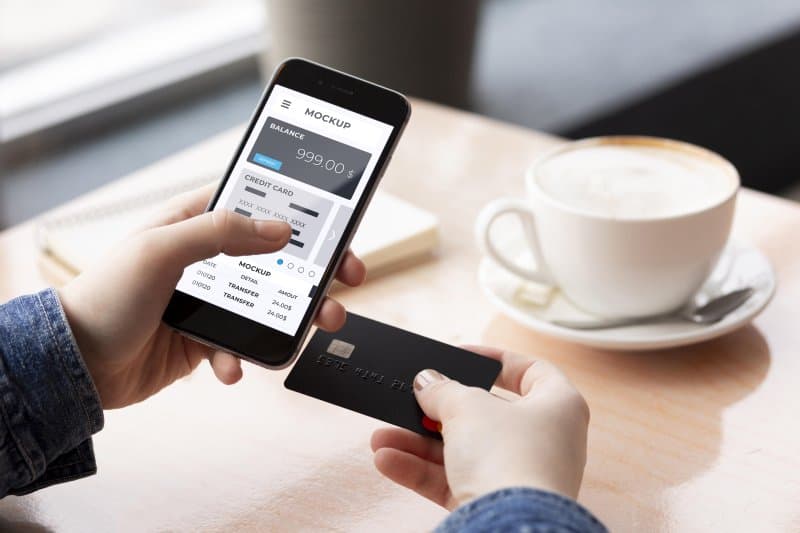

Finding a banking alternative for an overseas company is one of the most common challenges faced by entrepreneurs and business owners establishing companies internationally. Traditional banks often have lengthy verification processes, extensive documentation requirements, and regulations that vary by country, creating a need for faster and more flexible financial infrastructure. This is where modern financial platforms positioned as banking alternatives come into play. These platforms bring essential operations—including receiving cross-border payments, managing expenses, issuing company cards, and handling international money transfers—together within a single digital system. This helps companies save time and avoid high operating costs.
Why Do Overseas Companies Need Banking Alternatives?
This section examines why businesses that establish companies in foreign countries seek alternative banking solutions. One of the biggest drawbacks of traditional banks is that their verification procedures are both lengthy and highly detailed. For business owners who establish companies remotely, the process can easily stall if they are required to visit a physical branch. Moreover, strict AML and KYC procedures in some countries can make the process far more challenging than usual for foreign company owners.
The emergence of digital financial platforms has changed this landscape. Many businesses can now manage bank-like services entirely through an online dashboard. From international payments to real-time account monitoring, this dashboard brings essential financial needs together in one place. This development has created considerable momentum, particularly within the startup ecosystem.
Challenges Traditional Banks Present for Foreign Businesses
Foreign entrepreneurs seeking to open an account with a traditional bank typically face a lengthy list of required documents. Procedures such as address verification, submitting company documents and a tax number, and verifying directors’ identities can take considerable time. In some countries, company owners cannot open an account without visiting the country in person. This slows down the remote business formation model.
Traditional banks also tend to charge more for transactions, international transfers, and currency conversion. This increases the burden of a business’s day-to-day operations. Reliance on physical branches is fundamentally at odds with the fast-moving model of digital companies. Digital platforms therefore become a more practical option.
The Rise of Digital Alternatives
This section focuses on why digital financial tools have become so widespread as alternatives to banks. Although these systems may not eliminate every drawback of traditional banking, they provide solutions that improve business speed and flexibility. Digital systems offer significant advantages, particularly for entrepreneurs who own overseas companies while managing their operations from Türkiye.
Technology companies, e-commerce brands, and freelance-focused businesses in particular need an interoperable and accessible financial system to receive and make payments while serving customers worldwide. Digital banking platforms meet this need directly.
Key Benefits Offered by Banking Alternatives
Digital financial solutions offer more than convenient account opening; they also provide speed, lower costs, and operational control. Transactions can be monitored through real-time notifications, limits can be adjusted instantly, and internal expense management becomes more transparent. This type of infrastructure directly affects sustainability, especially in the startup world.
The following table compares sample features offered by an alternative financial platform with the value they provide to a business.
| Feature | Value to the Business |
|---|---|
| Remote account opening | Eliminates the need to visit a physical branch |
| Digital company cards | Centralizes expense control |
| Multi-currency support | Makes it easier to work with customers worldwide |
| Instant transfers | Increases operational speed |
| API compatibility | Enables integration with accounting and automation systems |
Leading Banking Alternatives for Overseas Companies
This section explains how alternative financial platforms generally operate. Companies serving global markets, such as Marka World, need a flexible, fast, and uninterrupted flow of funds. Digital alternatives provide exactly that.
Unlike traditional banks, these platforms reduce the documentation burden, shorten account-opening times, and give users real-time control. Business owners may obtain IBAN-like account numbers for receiving payments and conduct transactions easily in international markets.
The Ability to Operate in Multiple Currencies
One of the strongest features of these platforms is the flexibility to manage different currencies through a single dashboard. Companies selling in markets such as the USA, Europe, or the United Kingdom can benefit from opening accounts denominated in local currencies. Currency conversion costs decrease, customers can make payments more easily, and the business presents a more professional image.
Multi-currency management also provides a clearer overview for budget planning. This strengthens companies’ international growth strategies.
Digital Card Management and Expense Control
Card management is one of the most notable features of banking alternatives. Business owners can issue virtual cards to employees and assign spending limits instantly. These limits can be customized according to specific times, merchant categories, or departments.
This creates greater financial control within the company. Expense reports are categorized automatically, simplifying accounting processes. This level of control is a major advantage for fast-moving teams.
Strategic Value for Companies Operating Internationally
Another reason businesses with overseas companies turn to banking alternatives is that these services make it easier to build growth-oriented financial strategies. Digital financial infrastructure offers a sustainable solution, particularly for brands seeking to scale quickly.
Data-driven reporting features allow managers to make more rational decisions. Metrics such as which country generates the most payments, which category consumes the largest share of the budget, or which project produces the highest profit can be viewed easily on the financial dashboard.
Benefits for Managing Remote Teams
As remote work has become more widespread, internal financial management has grown more complex. Managing company cards, verifying expenses, and controlling budgets can be particularly challenging when employees are based in different countries. Digital solutions automate this process.
These systems notify managers instantly of every employee expense. This creates a transparent workflow and helps the business maintain financial discipline. Such infrastructure makes operations more efficient in dynamic organizations such as Marka World.
Overseas Companies’ Future Reliance on Banking Alternatives
As the global business environment becomes more digital each year, financial infrastructure must inevitably adapt. While traditional banking models remain slow, digital alternatives offer both speed and flexibility. Banking alternative solutions are therefore expected to become even more diverse in the future.
Next-generation financial platforms are expected to become even more capable through features such as AI-powered risk analysis, automated compliance verification, and advanced currency management. This will enable businesses to make financial decisions with greater confidence and conviction.