Setting Up a Company in Free Zones
A comprehensive professional guide to the advantages, procedures, financial obligations, and operational requirements of setting up a company in free zones.
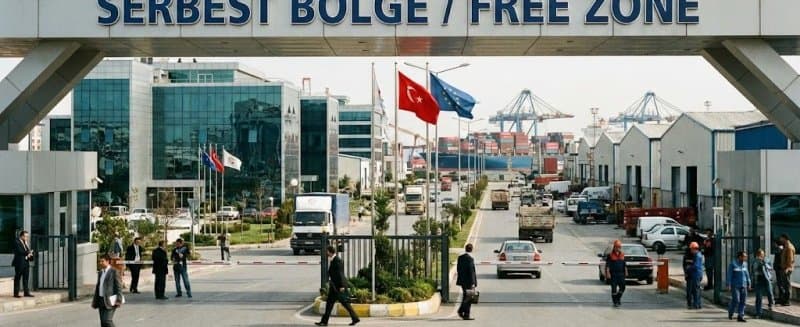

Setting up a company in a free zone is a powerful strategic move for businesses planning their foreign trade-oriented investments around efficiency, cost optimization, and logistical speed. Because these structures are designed to support export-led growth policies, they offer wide-ranging operational and financial advantages. Investors can establish flexible operations across various fields, from manufacturing and storage to assembly and technology services. The significant percentage of international companies that prefer free zone structures is directly linked to the practical requirements of global competition.
What Is the Primary Purpose of a Free Zone Structure?
The primary purpose of free zones is to create manufacturing and trade ecosystems that increase exports and are aligned with global competition. These are specially designated areas that provide investors with tangible benefits in taxation, employment, logistics, and foreign currency-generating transactions. According to World Bank data, foreign trade volume has increased by an average of up to %15 in countries with export-incentivized production zones. This performance demonstrates the economic leverage of well-planned free zone operations. Free zones in Türkiye similarly accelerate high-value-added production, export-intensive company formation, and technology investments.
Economic Foundations of the Free Zone Model
Free zones gain special status by being separated from the general customs regime of a designated geographical area. This allows the movement of goods, manufacturing activities, and financial transactions to be governed by a more streamlined regulatory framework. Businesses can optimize their supply chains without encountering customs barriers. Free zones located along logistics corridors in the European Union, Middle East, and Asia deliver particularly stable results in maintaining supply chain continuity. Because this structure can shorten lead times by up to %20, it creates a direct competitive advantage for businesses.
The Role of Workforce and Technology in the Free Zone Ecosystem
Access to a skilled workforce is a decisive criterion when selecting a free zone location. When establishing a production line, investors can introduce automation systems, technology transfer, and technical training programs in a more structured manner. As many zones already offer infrastructure adapted to technology-intensive production, companies can implement various R&D models cost-effectively. Productivity gains from the free zone environment can be clearly measured, particularly in sectors such as electronics, biotechnology, logistics software, and machinery manufacturing.
How Does the Process of Setting Up a Company in a Free Zone Work?
The process of setting up a company in a free zone is based on preparing the correct documentation, clearly defining the scope of activity, and following an application system coordinated with the zone operating company. Once the investor completes the required documents, the process can be finalized within an average of 15–30 days. The main stages are the operating license application, company formation procedure, allocation of premises, and commencement of operations.
Critical Stages of the Process
The formation process begins with the investing business selecting the appropriate type of activity. Licensing requirements may vary across categories such as manufacturing, trading, assembly, storage, maintenance and repair, financial services, software development, and logistics management. Submitting complete documentation is the main factor determining the speed of the process.
The main stages are as follows:
- Preparing the investment plan
- Applying for an operating license
- Completing company formation procedures
- Drafting the free zone lease or allocation agreement
- Obtaining the necessary permits and approvals
- Commencing operations
To ensure that this process runs efficiently, it is important to coordinate with the zone operating company. Investors often engage professional advisers to ensure that technical requirements are handled on a sound basis.
Principles Governing the Operating License
An operating license is the fundamental requirement for conducting business in a free zone. The license is generally issued for a period of 10–30 years, although its duration may vary by activity type. Manufacturing activities are typically granted longer terms, while different periods may apply to trade and service activities depending on zone policies. As part of the license application, investors must provide evidence of financial capacity, an activity program, capacity information, and technical explanations. The approved license forms the official basis for all of the investor's operations within the zone.
Legal Framework for Company Formation
An investor setting up a company in a free zone in Türkiye is subject to the provisions of the Turkish Commercial Code. The most common structures are a joint stock company or a limited liability company. During formation, details such as the articles of association, capital structure, shareholding ratios, business objectives, and company address must be clearly defined. The company name must be approved by the zone operating company. Capital requirements may vary according to the scale of the activity, with a stronger capital base generally preferred for manufacturing operations.
Allocation of Premises and Commencement of Operations
Once the license is approved, the investor is allocated suitable premises. These may consist of an enclosed warehouse, office, factory building, or land. If a manufacturing model is planned, machinery, power lines, waste management systems, and logistics points are taken into account. The time required for the business to reach full capacity depends on the characteristics of the sector. While a setup period of 2–3 months may be sufficient in some sectors, technology-intensive manufacturing may require longer.
What Are the Advantages of Setting Up a Company in a Free Zone?
The advantages of setting up a company in a free zone deliver tangible results by directly reducing costs and enhancing competitiveness. Their impact is especially pronounced for businesses with a high export ratio. Structures that provide operational flexibility also help investors adapt quickly to market conditions.
Tax Benefits
Tax benefits are among the most prominent factors making free zone structures attractive to investors. Manufacturing businesses may qualify for income and corporate tax exemptions when certain conditions are met. Other significant benefits include VAT exemptions, customs duty exemptions, and withholding tax incentives. A reduced tax burden enables companies to maintain a stronger cash flow position. This can create a significant financial boost, particularly for businesses scaling their operations.
Ease of Conducting Transactions in Foreign Currency
Because transactions in free zones are generally conducted in foreign currencies, pricing and financial planning are more stable. Foreign currency-denominated contracts make financial reporting more predictable for businesses. This model is highly popular among companies engaged in international trade.
Logistics and Customs Advantages
The ability to move goods within free zones without subjecting them to the customs regime shortens supply chain lead times. The risk of delays in logistics operations is minimized. Greater flexibility in transportation planning helps production lines operate without interruption. International data indicate that the duty-free transaction model can increase annual operational efficiency by %10–18.
Workforce and Operational Flexibility
Employment processes can be managed more dynamically in free zones. Workforce needs can be planned easily according to seasonal production volumes. In addition, some zones support workforce skills through educational institutions and vocational programs. This flexibility is critical for large-scale manufacturing facilities.
Technology and R&D Opportunities
Technology-intensive manufacturers can rapidly implement R&D investments in free zones by leveraging the available infrastructure. Regional support may be available for testing laboratories, data centers, software development units, and automation systems. Lower technology investment costs enhance companies' capacity for innovation.
Summary Table of Benefits Offered in Free Zones
The following table outlines the practical scope of these benefits:
| Benefit Category | Area of Focus | Impact |
|---|---|---|
| Tax Benefits | VAT, customs duties, income tax | Reduces costs |
| Logistics Advantages | Lead times, duty-free transactions | Accelerates operations |
| Technology Investments | R&D infrastructure | Promotes innovation |
| Workforce Flexibility | Access to skilled employees | Increases productivity |
| Financial Structure | Foreign currency-based transactions | Strengthens cash flow |
What Types of Companies Can Be Established in Free Zones?
Many types of companies of varying scales can be established in free zones. The field of activity, capital structure, and investment objective determine this choice. The primary requirement is for the activity to be compatible with the zone's policies.
Manufacturing Companies
Manufacturing companies are central to free zone policies. Zone authorities encourage them because of their high employment levels, export-oriented production, machinery investments, and use of technology. Planned production capacity plays an important role in determining the license term. Companies of this kind are generally granted longer-term licenses.
Trading Companies
Businesses engaged in foreign trade benefit from duty-free storage, cost-effective logistics, and fast delivery in free zones. Better planning of warehouse management and inventory optimization accelerates export processes. The model most commonly preferred by trading companies within these zones is a rapid transaction flow geared toward re-exporting.
Service and Technology Companies
Service-oriented activities such as software development, data analytics, engineering services, logistics management, and financial consulting are becoming increasingly common in free zones. Technology companies prefer these areas particularly because of business models based on foreign currency revenue. R&D centers, project development units, and digital solutions form part of this structure.
Logistics and Warehousing Companies
Large warehouse facilities and port connections in free zones create a strong operational advantage for logistics companies. Duty-free storage and rapid transfer procedures optimize these companies' costs. Free zones are particularly popular among businesses handling high-volume transportation.
What Documents Are Required to Set Up a Company in a Free Zone?
The documents required to set up a company in a free zone may vary by activity type, but the core documentation follows an established standard. Preparing all documents in full accelerates the application process.
List of Core Documents
The required documents generally include:
- Operating license application form
- Investment information form
- Notarized signature circular
- Official documents showing the company's shareholding structure
- Investment financing plan
- Technical explanations and process plan
- Company articles of association
A strong financial position increases the economic viability of the planned activity at the application stage. Zone authorities place great importance on the sustainability of the investment.
Key Considerations in Document Management
It is critically important for documents to comply with current legislation and remain internally consistent. In particular, the investment plan, capacity forecasts, and employment projections must be stated clearly. Errors at this stage may delay the process.
What Should Be Considered When Choosing a Free Zone?
Choosing a free zone is a strategic decision that directly affects the investment's long-term performance. Each zone differs in terms of location, infrastructure, sector focus, and logistics capabilities.
Strategic Importance of Location
A free zone's proximity to ports, highways, railways, and airports improves operational efficiency. Given that approximately %40 of logistics costs arise from transportation, the impact of choosing the right location on competitiveness is clear. Geographical proximity is a critical factor for businesses engaged in international trade.