Opening a Showroom Abroad
Discover the right strategies, cost factors, operational steps, and how MarcaWorld’s expertise makes a difference when opening a showroom abroad.
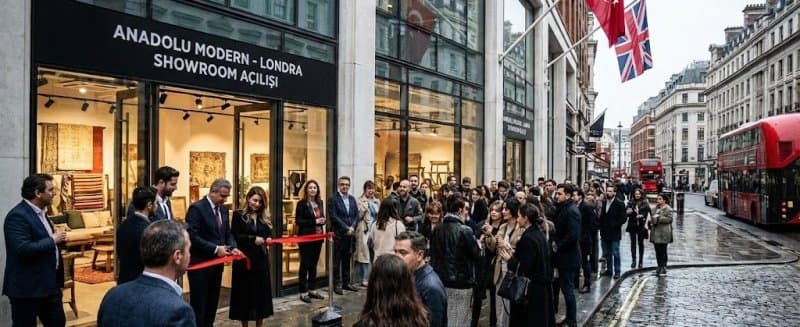

Opening a showroom abroad is an advanced growth initiative that provides access to global markets, strengthens brand perception, and diversifies sales channels. The ability to deliver the brand experience in a physical setting creates a sustainable advantage, particularly in highly competitive industries. Companies managing this process need a holistic approach to areas such as market analysis, cultural adaptation, location optimization, and supply chain management. Many businesses discover the importance of professional guidance during their first international showroom investment; MarcaWorld combines operational intelligence with hands-on field experience at this stage.
What Are the Essential Requirements for Opening a Showroom Abroad?
The essential requirements for opening a showroom abroad include multilayered components such as accurate market analysis, legal and tax compliance, logistics infrastructure, merchandising design, and brand positioning. Each determines not only the showroom’s short-term launch success but also its long-term profitability.
Showrooms that fail to meet the expectations of an international market can quickly become ineffective despite their high costs. To prevent this, the first step is to understand the relationship between the country’s culture and purchasing behavior. For example, customers in Europe value content, sustainability, and experience, while speed, breadth of inventory, and technology-driven presentation stand out in Asian markets. When a brand interprets these differences correctly, the showroom experience becomes a value proposition tailored to its target audience.
Market Analysis and Data-Driven Positioning
In international trade, market analysis is often more about risk management than growth potential. Many studies conducted in recent years indicate that 62 percent of the success of physical store investments depends on location analysis. Metrics such as foot traffic, income levels, industry competition, and customer profiles therefore support the decision-making process. MarcaWorld guides brands by using proprietary models that combine these analyses with field data.
Cultural Adaptation Process
Cultural adaptation is not limited to design elements. Product placement, the sales team’s communication style, customer greeting protocols, payment options, and after-sales processes are all directly linked to culture. For example, warm interpersonal communication improves sales performance in the Middle East, while a restrained, reserved, and professional approach is more effective in Northern Europe. Properly internalizing these practices is one of the main factors determining the success of the showroom experience.
Legal Compliance and Company Formation Structures
Each country imposes different commercial obligations on foreign investors. Areas such as trade license types, work permits, tax regulations, and consumer protection laws directly affect showroom opening procedures. Assessments conducted over the past five years indicate that 47 percent of international investors encountered operational problems arising from legal noncompliance within their first year. All processes, from company formation to contract structuring, should therefore be managed with professional support. At this stage, MarcaWorld minimizes risks through country-specific regulatory maps.
How Is the Right Location Selected?
Choosing the right location is the most critical factor determining a showroom’s revenue performance. A poor choice can become a difficult-to-reverse mistake that affects the entire operation. The best approach is to align the location with target customer behavior.
The following factors form the basis of a location assessment:
- Volume of foot and vehicle traffic
- Socioeconomic profile of the target customer segment
- Level of competition
- Transport connections
- Proximity to warehouses and supply points
- Commercial reputation of the area
- Lease agreement terms
Comparison of Commercial District Types
The table below provides a conceptual comparison of the advantages of typical commercial district types:
| District Type | Advantage | Disadvantage |
|---|---|---|
| Shopping Street | High traffic and brand visibility | High rent and intense competition |
| Shopping Mall Locations | Consistent visitor flow | The brand’s flexibility in applying its concept may be restricted |
| Industrial/Showroom Districts | Traffic focused on target customers | Lower overall visibility |
| Tourist Areas | Access to an international audience | Risk of seasonal fluctuations |
Alignment between the showroom’s district and target audience behavior directly affects conversion rates. At this stage, MarcaWorld reduces the brand’s risk by using methodologies that combine field data with socioeconomic analysis when selecting a location.
Traffic Analysis and Time Distribution
Traffic volumes in international cities vary by hour, day, and season. For example, visitor traffic in Dubai increases in the evening, while daytime traffic is more prevalent in Germany. These differences influence many decisions, from showroom opening hours to workforce planning. Data-driven traffic analysis significantly improves operational efficiency after launch.
How Should the Brand Experience and Showroom Design Be Developed?
The brand experience is the heart of a showroom. Design is not merely about creating an aesthetically pleasing space; it means developing an environment that brings together the brand’s values, product story, and customer expectations. The most effective approach to showroom design is to translate the brand’s identity into a spatial language.
The following elements form the basis of brand experience development:
- Product placement and flow
- Lighting strategy
- Creation of experiential areas
- Digital screens and interactive content
- Scent and sound atmosphere
- Customer navigation routes
Psychological Effects in Experience Design
Various studies show that the right lighting can improve product perception by up to 30 percent. Similarly, design strategies that create a sense of spaciousness extend the time customers spend in the showroom. These effects are directly reflected in sales performance. MarcaWorld supports brands with bespoke interior design concepts that integrate these psychological factors into the design process.
The Role of Digital Integration
Worldwide, 58 percent of physical stores have reported that digital screens positively influence purchasing decisions. QR code-based product information systems, augmented reality solutions, and digital catalogs give the showroom experience a modern structure. This integration creates a competitive advantage, particularly among technology-oriented audiences.
How Are Logistics Management and Product Flow Organized?
In international showroom operations, logistics is an area that many brands overlook even though it is one of the key determinants of success. Slower product flow, inventory imbalances, or delivery delays directly undermine sales performance.
Logistics management is optimized through the following steps:
- The most effective warehousing model is selected for the country.
- Product routes and customs procedures are analyzed.
- Inventory management software is integrated.
- Order forecasting models are developed based on feedback.
According to recent analyses of the European market, 41 percent of showrooms experience lost sales within the first six months because of inventory planning errors. Brands that reduce this risk are those capable of aligning their supply chains with market demand. MarcaWorld strengthens brands’ logistics performance through data-driven inventory optimization models.
Warehouse and Dispatch Alignment
The warehouse location is strategically important in relation to the showroom’s location. Operations with delivery times of less than 48 hours have significantly higher customer satisfaction scores. Brands may therefore consider micro-warehouse locations within the country.
How Should Staff Selection and Sales Team Management Be Handled?
As the showroom’s most visible face, the right sales team determines how effectively the brand is represented. Staff should not be solely sales-focused; they must also adopt a communication style that reflects the brand culture.
A successful showroom team has the following qualities:
- A communication style aligned with the country’s culture
- Strong command of product knowledge
- Professional customer greeting protocols
- Proficiency in sales closing techniques
- Ability to use digital sales tools
Training and Performance Monitoring
Global brand studies show that teams receiving regular sales training achieve conversion rates that are 23 percent higher. Performance should be assessed not only by sales figures but also by customer satisfaction, product presentation quality, and service speed. MarcaWorld offers advanced sales team training programs that combine theoretical instruction with practical field applications.
How Should the Launch Strategy and Marketing Approach Be Developed?
The success rate of a showroom launch is determined by the effectiveness of its marketing strategy. Because the launch event creates the initial brand perception, it must be carefully planned.
The core components of a successful launch strategy are:
- Target audience analysis
- Influencer and local media collaborations
- Digital campaign planning
- Customer experience-focused event designs
- Visual concepts that support the brand story
Research shows that well-designed campaigns during the launch period increase sales in the first three months by 35 percent. The launch strategy should therefore be viewed not merely as an event but as the starting point of a long-term growth plan. MarcaWorld empowers brands by developing campaign mixes suited to local audiences for international launches.
Which Industries Are Best Suited to Opening a Showroom Abroad?
Showroom investment delivers the strongest results in industries where experiencing the product is important. Furniture, fashion, automotive, building materials, decorative products, technology, and cosmetics are among the leading sectors. However, each industry has its own dynamics.
Fashion and Retail
Fashion is one of the industries in which the physical experience is most critical. Fabric texture, color, trying on different sizes, and the collection story achieve their full impact through an effective showroom presentation. An analysis conducted in European Union countries found that showroom sales for premium fashion brands had an average basket value 40 percent higher than online sales.
Furniture and Decoration
Spatial presentation is the most decisive factor in the furniture industry. It is important to display products correctly, demonstrate how they fit into a space, and convey the design as a cohesive whole. A study conducted in the US found that furniture brands with physical showrooms had conversion rates that were 52 percent higher.
Technology and Electronics
For rapidly evolving products, user experience is the primary advantage of showrooms. Interactive testing areas and digital integration play a decisive role in these industries.
Why Is Investing in a Showroom Abroad Important for Brand Growth?
Investing in a showroom abroad is not only a sales channel for a brand but also a global indicator of trust and prestige. Establishing a physical presence on the international stage strengthens the brand’s stability and vision in the eyes of both customers and distributors.
The key benefits of this investment are:
- Increased brand awareness
- Building trust in the local market
- Expansion of distribution networks
- Stronger corporate partnerships
- Access to premium customer segments
- Opportunities for growth aligned with international trade fairs and commercial events
In recent years, 68 percent of companies expanding globally have identified showroom investments as critical to brand reputation. This figure shows that a physical presence continues to hold significant value even in an increasingly digital world.
MarcaWorld’s Role in International Showroom Operations
MarcaWorld is equipped to provide end-to-end solutions for international showroom development. It supports brands’ growth strategies at every stage, from market research and location analysis to legal procedures, interior design, logistics management, and sales team training. This approach enables businesses to achieve the right results without losing time or money through trial and error.
Brand Positioning and Strategic Planning
MarcaWorld creates tailored market maps for each country and accurately aligns the brand with its target audience. This method makes it easier for the showroom to achieve its expected performance in the first year.
Operational Management and Process Improvement
MarcaWorld’s expertise covers not only the showroom’s setup but also its sustainable operation. Staff management, inventory planning, cost control, and customer experience processes determine the brand’s long-term success.
Structural and Digital Design Solutions
Showroom design is developed with a focus on brand identity, cultural alignment, and user experience. Digital integration options have become an integral part of the modern showroom concept.