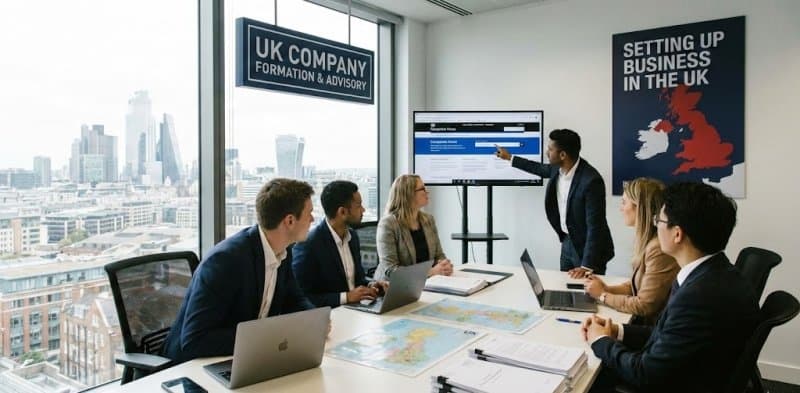
Guide to Forming an Overseas Company for Web Design
The process, market selection, and strategies for forming an overseas company for web design. Discover global web design opportunities through brand strength.


In an increasingly digital world, web design is no longer merely an aesthetic service; it has also become a global commercial field. Many agencies and entrepreneurs in Türkiye are seriously considering forming an overseas company for web design or serving international markets.
The aim is not only to earn foreign-currency income, but also to grow the brand internationally and build a global client portfolio.
In this comprehensive guide, we will examine the international expansion of web design services, company formation models, market-selection strategies, legal considerations, and digital positioning from the Marca World perspective.
Global Opportunities in the Web Design Industry
Web design is one of the most dynamic areas of the global digital economy. Every year, millions of businesses launch new websites or redesign their existing ones.
This trend has driven rapid growth in freelance and agency-based services, particularly in European and American markets.
Türkiye is strategically positioned for this market thanks to its skilled workforce in software and design. Low operating costs, strong design capabilities, and flexible business models enable Turkish designers to compete globally.
Another advantage is proficiency in English communication and disciplined project management. When these factors come together, a web design company expanding abroad can achieve sustainable growth both financially and as a brand.
Why Form a Company Abroad?
After operating from Türkiye for an extended period, many web designers and agencies want to expand their client base internationally. However, working with international clients can create tax, contractual, and trust-related challenges.
At this point, forming a company abroad not only creates a more professional image but also makes operations easier.
The main reasons include:
- Simplified invoicing, especially for EU and US clients
- Access to international payment systems (Stripe, PayPal Business, Revolut)
- Greater brand credibility
- Opportunities to join global digital agency networks
For example, the Estonya e-Residency program in Europe and forming an LTD in İngiltere are among the models most commonly preferred by software and design companies.
Which Country Should You Choose for Company Formation?
Because digital services such as web design do not require a physical presence, the choice of country is based entirely on operational convenience.
In other words, the key question is not “Where are the clients?” but “Where is it easy to operate?”
Some of the most popular countries include:
- 1Estonya:
Its digital residency system makes it possible to form a company entirely online. It also offers tax advantages within the EU and a digital signature system.
- 1İngiltere:
The LTD company formation process is fast. It has strong international prestige and integrates with payment systems.
- 1Birleşik Arap Emirlikleri (Dubai):
It offers tax advantages and is a strong hub for agencies seeking to enter the Middle East market.
- 1Amerika (Delaware, Wyoming):
It is attractive for its start-up-friendly regulations and investment opportunities. However, its costs are higher than those of the other options.
For a web design company, the critical factor is whether the selected country’s tax and operational infrastructure is suitable for a digital service model.
Building a Brand and Corporate Identity
Forming a company abroad is not enough on its own. The real challenge is making the brand recognizable globally.
In creative industries such as web design, brand identity is the foundation of trust.
The following steps are particularly important when developing a corporate identity:
- Create a corporate website in English
- Showcase an international portfolio and client references
- Use professional email addresses and corporate signatures
- Maintain an active presence on platforms such as LinkedIn, Dribbble, and Behance
Marca World is an example of a company that has shaped both its digital presence and communication style around global expectations. In web design services, brand trust begins with visual quality.
Strategies for Acquiring International Clients
The most important step in offering services abroad is identifying the right client-acquisition channels.
A web design company should build its client portfolio through a strong networking strategy, not merely through job boards.
Successful companies generally use the following channels:
- LinkedIn: The most effective platform for B2B outreach and project promotion.
- Upwork and Fiverr: Global marketplaces for freelance web design services.
- Clutch and GoodFirms: Agency ranking and review sites that build brand trust.
- SEO and content marketing: English-language blog content helps attract clients organically.
The critical issue here is retaining clients as well as attracting them. Web design projects often lead to long-term opportunities involving maintenance, SEO, and redesign services.
Pricing Models and a Value-Based Approach
When offering web design services internationally, pricing is a decisive competitive factor.
However, a low-price strategy damages brand value in the long term. The key is to price the service in proportion to its quality.
Three main models are used in international markets:
| Pricing Model | Feature | Application |
|---|---|---|
| Project-Based | One-time fixed fee | Website design |
| Hourly | Payment based on time spent | Revisions and consulting |
| Subscription | Monthly support model | Maintenance and update services |
Many successful agencies prefer “value-based pricing” to fixed pricing.
In other words, they emphasize the practical value delivered to the client rather than the cost.
Legal Processes and Contract Management
When working with international clients, written agreements provide the foundation for professional trust.
Preparing a contract for every project helps prevent potential disputes.
The main types of contracts include:
- Service Agreement
- Copyright Transfer
- Non-Disclosure Agreement (NDA)
- Project Handover Document
When working with European Union countries, compliance with GDPR (data protection) must also be considered. This is an important factor in strengthening client trust.
Payment Systems and Financial Management
Streamlining payment processes in the global market ensures operational continuity.
Companies offering web design services generally use the following methods:
- PayPal Business
- Stripe
- Wise (TransferWise)
- Revolut Business
- Cryptocurrency or stablecoin payment solutions
These tools provide secure and traceable payment infrastructure for both small-scale freelancers and established agencies.
Marca World uses Revolut Business for international transactions, enabling a fast, low-cost, and transparent payment flow.
Cultural Differences and Communication Style
When providing web design services internationally, communication style is just as important as technical expertise.
Every country has a different way of doing business.
While US clients value careful scheduling, Europeans expect detailed documentation. The Middle East market, meanwhile, seeks fast results and flexible pricing.
Communication should therefore be clear, professional, and respectful of cultural differences.
A strong command of technical terminology further reinforces trust.
Global Web Design from the Marca World Perspective
Forming an overseas company for web design is not merely an economic decision; it is an expression of vision.
Marca World combines this vision with the concept of “technological aesthetics” to create digital experiences worldwide.
Every project is more than a website; it is the digital identity of a brand.
Success in international markets requires a patient strategy, strong communication, and continuous learning.
An overseas company established through the right steps is not merely a business model; it is an enduring presence on the global stage.