Guide to Forming a Company for Selling NFT Products
This guide examines the company formation process for selling NFT products, including legal structure, taxation, accounting, smart contracts, and sustainable revenue models.
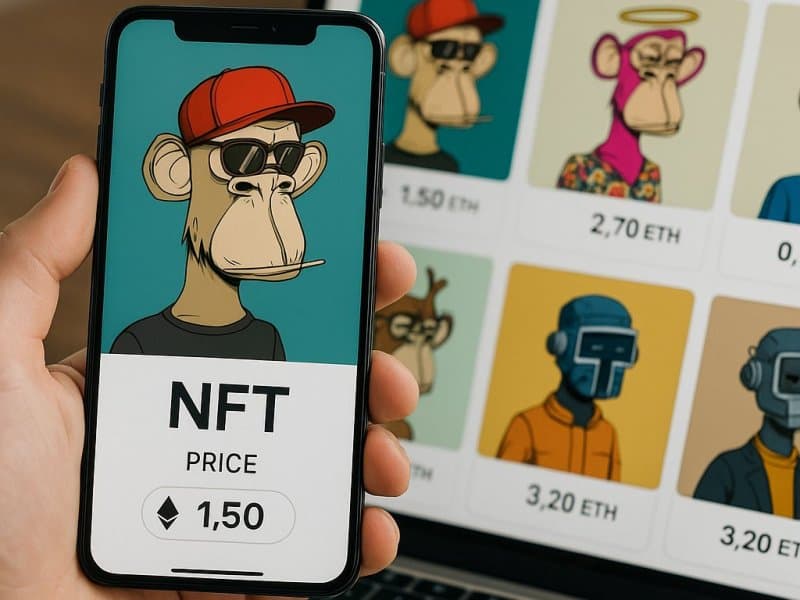

A company established to sell NFT products represents a new business structure that goes beyond conventional startup models as digital assets become increasingly commercialized. The NFT ecosystem is not limited to artworks; in-game assets, membership rights, digital collectibles, and licensable content form the foundation of this model. The company formation process therefore requires both technological and legal perspectives. Because digital assets are inherently capable of cross-border transactions, the company must be structured correctly from the outset.
The success of a business engaged in NFT-based sales depends not only on its technical infrastructure but also on tax compliance, intellectual property management, and a sustainable revenue model. This guide provides a comprehensive roadmap covering everything from company formation to operational details for ventures planning to sell NFT-based products.
Why Does NFT-Based Commerce Require a Company?
Although NFT-based commerce can begin as an individual activity, forming a company becomes essential for scalability and legal protection. A corporate structure builds trust among both sellers and buyers while making regulatory compliance easier. Individual operations are particularly inadequate when high-volume sales and corporate partnerships are involved.
Transaction volume in the NFT market grew into an ecosystem worth hundreds of billions of dollars during 2021–2023. This scale has also attracted the attention of tax authorities and financial regulators. Forming a company enables transparent income reporting and the management of potential legal risks. Processes such as raising investment, trademark registration, and licensing can also be handled effectively only through legal entities.
Key Differences Between Individual and Corporate Sales
Individual NFT sales generally involve limited volume and irregular income. A corporate model, by contrast, enables planned production, ongoing collections, and long-term customer relationships. Companies can protect copyrights through contracts and develop smart contracts that automatically generate a share of secondary-sale revenue.
Forming a company also offers advantages in payment infrastructure. Corporate crypto wallets, multi-signature systems, and accounting integrations are more secure than solutions available to individual users. Over the long term, these differences improve operational efficiency.
How Should You Choose the Right Company Type for NFT Sales?
For businesses selling NFT products, choosing the company type is critical in terms of tax burden, investment potential, and operational flexibility. The structures most frequently preferred in Türkiye and international markets are limited liability companies, joint stock companies, and technology companies headquartered abroad.
Limited liability companies are often preferred during the startup stage because of their low formation costs and flexible management structures. Joint stock companies are better suited to advanced stages involving investor participation, share transfers, and public offerings. Some NFT projects, particularly those with global ambitions, choose structures based on Estonia e-Residency or companies headquartered in Delaware.
Advantages of Forming a Company in Türkiye
Forming a company in Türkiye is advantageous for NFT projects focused on the local market. Compliance with tax legislation, integration with domestic payment systems, and conducting legal proceedings in the local language make operations easier. Incentives for digital ventures in Türkiye may also provide cost advantages when structured correctly.
Companies headquartered in Türkiye can build a sustainable structure by properly planning their VAT and income tax obligations. Whether NFT sales are classified as services or digital products is a decisive factor in accounting planning. This distinction directly affects tax rates and filing procedures.
When Do Overseas Company Structures Make Sense?
Overseas company structures are suitable for ventures seeking direct access to global markets and preferring countries with clearer crypto regulations. European Union countries, in particular, provide regulatory frameworks for digital assets. This can facilitate banking relationships and access to payment networks.
However, forming a company abroad increases accounting and legal advisory costs. Entrepreneurs residing in Türkiye must also properly manage double-taxation risks. For this reason, an overseas structure is generally preferred by projects that have reached a certain scale.
The Legal Status of NFT Products and Intellectual Property
The legal status of NFTs is one of the most important matters to consider during company formation. A person who purchases an NFT does not necessarily acquire the copyright to the underlying work, but may instead receive certain usage rights. Clearly defining this distinction reduces the company’s legal risks.
Intellectual property rights should be expressly stated in NFT agreements. Otherwise, disputes may arise between the creator and the buyer. Companies can prepare standard license terms that define the conditions of use applicable to every NFT.
Copyright and Licensing Models
Companies selling NFT products can choose between models that transfer copyrights in full and those that grant limited licenses. A limited-license model allows the company to retain long-term control. For example, the buyer may be granted permission for personal use only, without receiving commercial usage rights.
Smart contracts can be used to generate royalty income from secondary sales. This model is one of the NFT ecosystem’s strongest advantages. Companies can automatically receive a specified percentage of the proceeds from every resale.
Taxation and Accounting Processes
Taxation is one of the most challenging areas for ventures forming a company to sell NFT products. The type of tax applicable to NFT income varies by country. In Türkiye, this income is generally treated as business income.
NFT projects launched without tax planning may face substantial penalties at later stages. It is therefore critical to work with a certified public accountant experienced in digital assets during the company formation process.
VAT and Income Tax Considerations
Whether NFT sales are subject to VAT depends on the nature of the product. VAT may apply when an NFT is classified as a digital service, although exemptions may be available in certain circumstances. Each sales model should therefore be assessed separately.
Income tax or corporate tax rates are determined according to the company type. Limited liability companies and joint stock companies are subject to corporate tax. This tax is calculated on annual profits and requires regular filing.
Technical Infrastructure and Operational Requirements
The technical infrastructure of a company selling NFT products must be robust in terms of security and scalability. Smart contracts, wallet integrations, and systems compatible with NFT marketplaces form the foundation of its operations.
Weak technical infrastructure can undermine user confidence and lead to lost revenue. Companies should therefore work with professional blockchain developers from the outset.
Smart Contract Security
Smart contracts form the backbone of NFT sales. Even a minor error in these contracts can cause irreversible losses. Using audited and tested contracts protects the company’s reputation.
Industry analyses indicate that the total value of digital assets lost due to smart contract vulnerabilities has exceeded billions of dollars. This figure clearly demonstrates why security must be a priority.
Integration with NFT Marketplaces
Companies may establish their own marketplaces or integrate with existing NFT platforms. OpenSea, Rarible, and similar platforms provide access to large user bases. Commission rates and the level of control, however, are decisive factors in this choice.
Companies that establish their own marketplaces can fully control the brand experience. This model can offer greater long-term profitability, but it involves higher initial costs.
Marketing, Branding, and Community Management
Marketing in the NFT ecosystem follows different dynamics from conventional digital marketing. Community-led growth is the most effective strategy in this field. Companies do not merely sell products; they also build an ecosystem.
Brand identity is the foundation of trust in NFT projects. Transparent communication, regular updates, and sharing a roadmap strengthen community engagement. Social media and platforms such as Discord are central to this communication.
Long-Term Revenue Models
Companies selling NFT products should develop long-term revenue models instead of focusing on one-time sales. Membership NFTs, exclusive access rights, and integrations with physical products are among the available models.
This approach diversifies revenue streams and builds resilience against market fluctuations. Companies that offer experiential products gain a competitive advantage by increasing user loyalty.
Risk Management and Compliance Processes
The NFT market is highly volatile. Price fluctuations, regulatory changes, and technological risks pose significant threats to companies. Managing these risks is one of the core responsibilities of a professional corporate structure.
Compliance is not only a legal obligation but also an essential part of brand credibility. Companies should properly implement anti-money laundering measures and know-your-customer procedures.
The Future of Regulation
Digital asset regulations are evolving rapidly. Frameworks such as the European Union’s MiCA regulation are expanding to include NFTs. This requires companies to establish flexible and compliant structures.
Companies that closely monitor regulatory developments gain a competitive advantage by adapting quickly to change. This approach is key to long-term sustainability.