European E-Export System
As digitalization and global trade accelerate, cross-border sales processes are becoming more accessible for businesses. The European e-export system is a comprehensive set of systematic processes designed to enable Turkish companies to sell products to the European Union (EU) market. In this article, we will explore what European e-export is, the system's key components, its advantages, and strategies to consider for success.
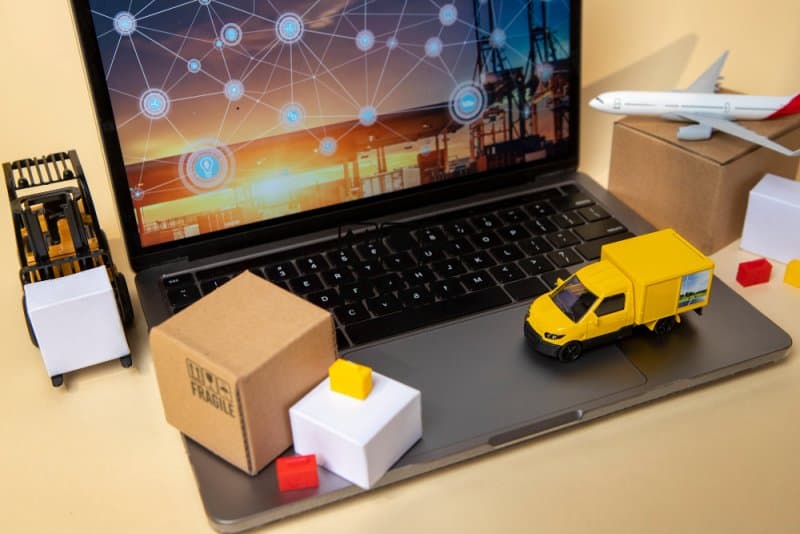

As digitalization and global trade accelerate, cross-border sales processes are becoming more accessible for businesses. The European e-export system is a comprehensive set of systematic processes designed to enable Turkish companies to sell products to the European Union (EU) market. In this article, we will explore what European e-export is, the system's key components, its advantages, and strategies to consider for success.
What is the European E-Export System?
The European e-export system encompasses the legal, logistics, customs, and digital platform infrastructure required for Turkish e-commerce companies to sell directly to EU countries. Compared to traditional export processes, this system is more agile and digitally focused, bringing together order management, platform integration, tax regulations, product labeling, logistics agreements, and many other components.
For e-commerce companies wishing to conduct customer-focused operations within the EU, the European e-export system acts as a 'bridge.' Thanks to this system, companies can sell directly without needing intermediaries.
Core Components of the European E-Export System
Legal and Tax Compliance
Companies wishing to enter the European market must first comply with EU import and tax regulations. Legal requirements such as Value Added Tax (VAT), Customs Union regulations, and compliance with standards such as CE marking should be considered carefully.
Platform Integrations
Turkish-based e-commerce sites must integrate with popular marketplaces in Europe. Data synchronization, inventory automation, and order integration with channels such as Amazon Europe and eBay Europe are essential.
Logistics and Storage Solutions
Delivering products to customers quickly and reliably is critical to European e-export success. Areas such as customs procedures, import taxes, and return logistics require expertise. A storage network and distribution centers increase proximity to European customers.
Packaging, Labeling, and Compliance
Each EU country may have its own labeling requirements. Elements such as language, ingredients, and warnings must be prepared in compliance with local regulations. Additionally, packaging materials must be evaluated for recyclability and environmental impact.
Customer Support and Local Communication
Providing customer support in local languages, facilitating return processes, and maintaining customer satisfaction are of strategic importance. Services such as returns, warranty procedures, and exchange support should be clear and accessible.
Advantages of the European E-Export System
Expanding Market Access
E-commerce companies in Turkey are not limited to the local market; they can reach millions of potential customers directly in Europe.
Increased Foreign Currency Revenue
Orders from Europe generate foreign currency revenue, which can increase profit margins. This advantage is attractive for companies seeking to balance costs with foreign currency income.
Globalizing Brand Recognition
By offering products in the European market, it is possible to increase brand recognition on an international scale. Successful references and customer reviews strengthen brand reputation.
Scalable Operations
Once systematic infrastructure is established, managing operations remains relatively straightforward even as order volumes increase. Software integrations and logistics solutions make processes scalable.
Strategies for Adapting to the European Market
Target Country Selection
Each EU country has different market dynamics. Focusing on markets where there is demand for your product and where you can adapt linguistically and culturally is a smarter entry strategy.
Competitor Analysis and Pricing
Examining competitor pricing policies, delivery times, and customer reviews proves beneficial. The goal is not to compete on price alone, but to differentiate based on added value.
Selecting a Logistics Partner
The logistics partner you choose should have experience with customs procedures, high delivery performance, and solid return infrastructure. Additionally, warehouse solutions in Europe provide a competitive advantage.
Shipping and Delivery Time
European customers are very sensitive about delivery time. Being able to deliver products within 3–7 business days is a major advantage. If stock is kept nearby geographically, this time can be shortened.
Local Language and Communication
Multi-language support on your website, customer support in local languages, and clear, understandable product descriptions increase customer trust.
Review and Rating Management
Positive customer reviews increase credibility on product pages. Encouraging customers to leave reviews (for example, with small gifts or discount codes) can be effective.
Brand Selection: Why Work with Marca World?
Selecting a business partner in the European e-export process is of great importance. Marca World is a company specialized in helping Turkish-based firms expand to Europe, offering digital infrastructure, integration, logistics, and consulting services. The brand stands out for its experience in process management, channel connections, and technical infrastructure. If you're looking for a reliable partner by your side in the European market, working with Marca World can be a strategic step.
Tips for a Successful European E-Export Process
Automating Operational Processes
Operations such as order management, inventory control, price updates, and invoicing should be automated with digital tools. This reduces errors and speeds up the process.
Multi-Channel Sales Strategy
Don't limit yourself to your own e-commerce site. Expand your sales network by also operating on platforms such as Amazon Europe, eBay, and Trendyol Global.
Customer Satisfaction and Loyalty
Shipment tracking, return convenience, and customer service are decisive factors in this process. Providing customers with a positive experience will lead to favorable feedback and repeat orders.
Reverse Logistics Planning
Product returns should be managed from within Europe rather than sent back to Turkey. This approach both reduces costs and accelerates processes.
SEO and Digital Marketing Alignment
Content such as product pages and category pages should include relevant keywords; titles, meta descriptions, and image tags should be properly optimized. Local market-specific campaigns and social media advertising should also be supported.
Risk Management
You should have alternative scenarios for risks such as currency fluctuations, customs changes, and logistics disruptions. Insurance, inventory buffers, and backup partners mitigate these risks.
The Importance of Expanding to Europe in the Evolving Digital Era
Trade boundaries are becoming increasingly flexible with digitalization. The European e-export system removes local market boundaries while offering growth opportunities for businesses. With this system, Turkish firms gain the opportunity to be competitive in Europe. It holds great potential in terms of brand credibility, customer reach, and long-term sustainability.
The European e-export system offers Turkish-based e-commerce companies the opportunity to enter the European Union market. Legal regulations, logistics infrastructure, local language support, and customer-focused processes are the core components of this system. Marca World, a strong business partner in areas such as integration, logistics strategy, and technical infrastructure, can be a reliable option for your European e-export journey. For a successful process, careful strategy, automation, customer satisfaction, and risk management are critical. The European market, when handled with the right methods, can expand the vision of your e-commerce business.